
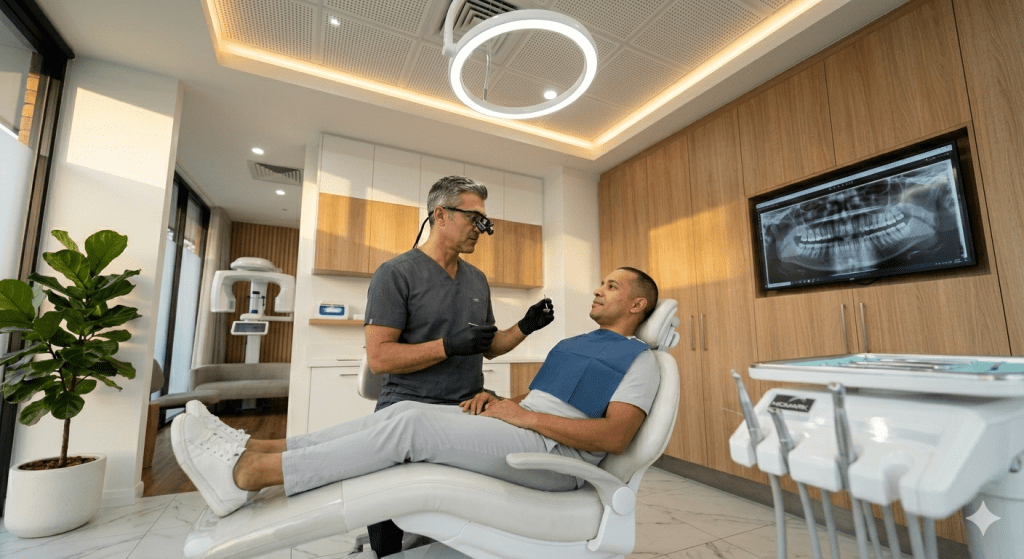
When dental pain strikes or an injury happens, finding quick and reliable care becomes a top priority. Emergency dental services in Brownsville, Texas, are designed to provide immediate relief and expert treatment when regular office hours just won’t do. They offer prompt attention for issues like toothaches, broken teeth, and sudden infections that can’t wait.
Local dental clinics understand how stressful emergencies can be, so they focus on making patients feel comfortable while using modern techniques to address the problem quickly. Whether it’s a weekend or later in the evening, there are trusted options nearby ready to help patients avoid unnecessary pain and complications.
Knowing where to turn for emergency dental care means less worry when urgent situations arise. Brownsville’s emergency dental providers not only treat the immediate issue but also offer guidance on follow-up care to help maintain long-term oral health.
What Are Emergency Dental Services?
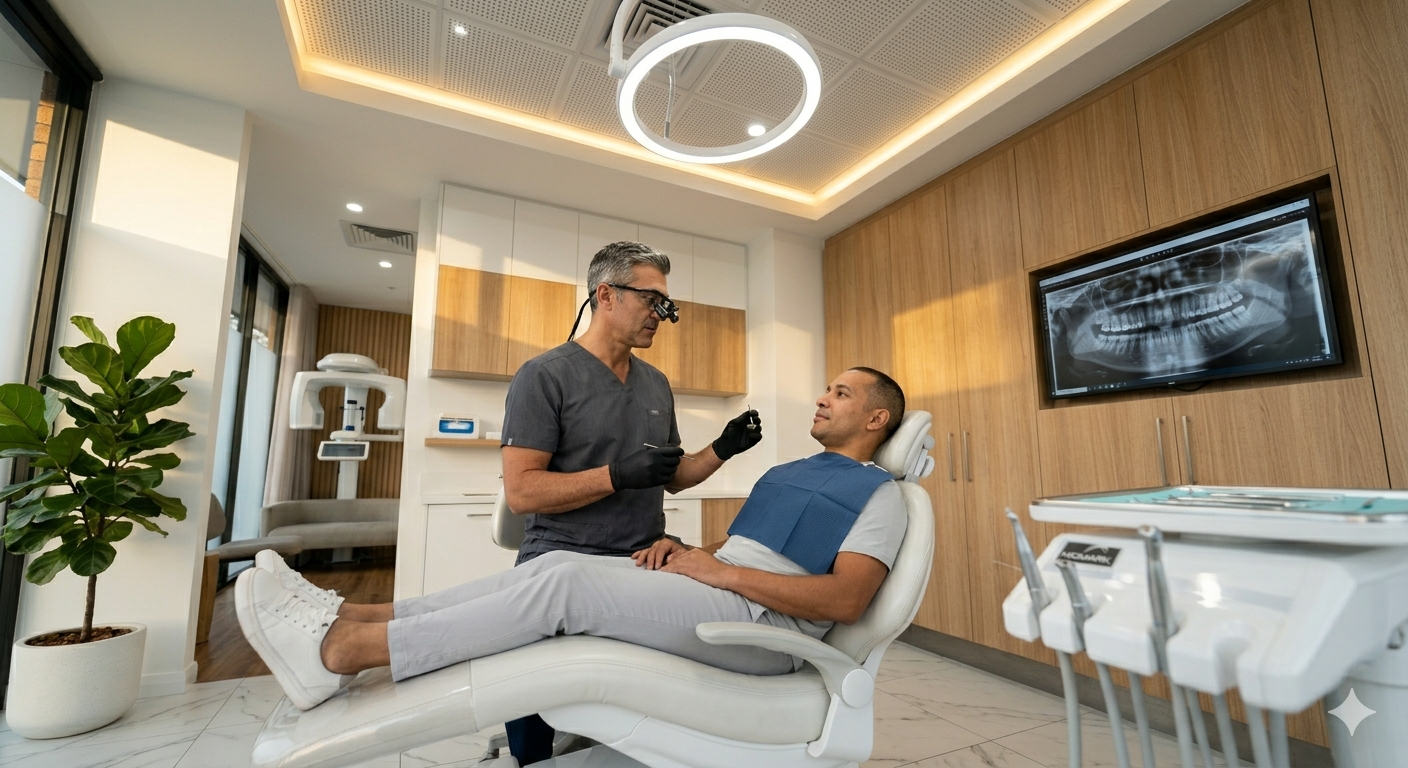
Emergency dental services address urgent problems that need immediate attention to relieve pain, stop infection, or prevent further damage. They differ from regular appointments because they focus on quick care when something unexpected happens with your teeth or gums.
Common situations include severe toothaches, broken or knocked-out teeth, lost fillings or crowns, and injuries to the mouth. These services help manage discomfort and avoid complications while working toward long-term dental health.
Emergency dentists often provide treatments such as:
- Pain relief and infection control
- Tooth repairs or extractions
- Stabilizing loose teeth
- Managing soft tissue injuries
Many practices in Brownsville, Texas, offer flexible hours or on-call support to ensure patients aren’t left waiting during a crisis. Using modern tools and gentle techniques, they aim to make the experience as comfortable as possible during stressful moments.
It’s important to know when to seek help. If pain is severe, bleeding won’t stop, or there is trauma, contacting an emergency dental provider is the right step. These services are part of a bigger plan that includes prevention and routine care, helping patients protect their smile long after the emergency is over.
Common Dental Emergencies in Brownsville Texas
Dental emergencies often come with sudden pain or damage that requires quick attention. Recognizing the signs and knowing when to seek prompt care can protect your teeth and relieve discomfort efficiently.
Tooth Pain and Sensitivity
Tooth pain in Brownsville residents can result from cavities, gum disease, or a cracked tooth. It often starts as mild discomfort but can quickly worsen. Sensitivity to hot or cold foods might indicate enamel erosion or exposed dentin.
Pain that lasts more than a day or worsens at night should prompt a dental visit. Immediate treatment can prevent infections or more invasive procedures like root canals. Over-the-counter pain relief helps temporarily but isn’t a long-term solution.
A dentist can diagnose the cause by examining the tooth and using X-rays. Treatments range from fillings for decay to sealing cracks or prescribing antibiotics if infection is present. Early care preserves the tooth and reduces overall treatment time.
Broken or Chipped Teeth
Breaks and chips happen commonly through sports injuries, falls, or biting hard foods. Even small chips can expose sensitive inner layers and cause discomfort or sharp edges that irritate the tongue.
If a tooth breaks, it’s important to save any fragments and rinse the mouth with warm water. Avoid chewing on that side and see a dentist as soon as possible. Quick care can sometimes bond the chip or place a crown to restore function.
For larger breaks, emergency dental services in Brownsville often provide pain control and repair options. They assess the extent of damage with imaging and recommend restorative solutions that look natural and maintain bite alignment.
Dental Abscesses and Infections
A dental abscess results from a bacterial infection inside the tooth or gums, causing a painful, swollen area filled with pus. Abscesses can develop after untreated cavities or injury.
Signs include severe toothache, fever, swelling of the face or jaw, and a bad taste in the mouth. These require urgent dental care to prevent the infection from spreading to other parts of the body.
Treatment involves draining the abscess and antibiotics to clear the infection. In many cases, a root canal or tooth extraction is necessary to remove the source. Early intervention lessens complications and speeds recovery.
Patients in Brownsville should seek emergency care immediately if they notice these symptoms to avoid serious health risks.
When to Seek Emergency Dental Care
Knowing when to get emergency dental care can protect your smile and prevent complications. Certain symptoms clearly indicate the need for prompt attention, and knowing the right steps to take can make a big difference in treatment success.
Recognizing Urgent Symptoms
Severe tooth pain that comes on suddenly or won’t go away is a common sign to seek emergency care. This could indicate an infection or nerve damage that needs immediate attention.
Uncontrolled bleeding from the mouth or gums after an injury also requires quick action. Swelling in the face or jaw, especially if it makes breathing or swallowing difficult, is another warning sign.
Loose or knocked-out teeth need fast treatment to improve the chance of saving them. Infections with pus or fever should be addressed urgently to avoid spreading.
Immediate Actions to Take
If a tooth is knocked out, hold it by the crown (the chewing surface) and rinse it gently with water. Avoid scrubbing. Try to place the tooth back in its socket or keep it in milk or saliva to keep it moist.
For bleeding, apply firm pressure with a clean cloth or gauze to control it. Using a cold compress on the outside of the cheek can help reduce swelling and pain.
If experiencing severe pain, over-the-counter pain relievers and avoiding hot or cold foods can provide temporary relief. It is important to contact a dental professional right away to evaluate symptoms and prevent complications.
How Emergency Dentists in Brownsville Texas Help
Emergency dentists in Brownsville provide quick, effective care designed to address urgent dental problems. They focus on relieving pain and restoring damaged teeth using modern, patient-friendly methods tailored to each situation.
Available Treatments
Emergency dentists can perform a variety of treatments depending on the injury or issue. Common services include tooth extractions for severely damaged or infected teeth that cannot be saved. They also provide root canal therapy to treat infected nerves and avoid tooth loss.
For chipped or broken teeth, dentists offer bonding, crowns, or veneers to restore appearance and function. In cases of dental trauma, they can reposition and stabilize loose or knocked-out teeth, often using splints.
Many emergency clinics also handle abscess drainage to address serious infections. Each treatment is selected based on how quickly it can relieve symptoms and prevent further damage.
Pain Relief Methods
To manage pain quickly, emergency dentists typically start with local anesthesia to numb the affected area. This allows them to work without causing discomfort.
They may also recommend over-the-counter or prescription painkillers after the procedure to keep pain under control. For swelling, cold compresses and anti-inflammatory medications can help reduce discomfort.
Some practices use sedation techniques for anxious patients, ensuring a calm and pain-free experience. Dentists explain each option, focusing on safety and effectiveness to ease patient worries during emergencies.
Modern Technology in Emergency Dentistry
Emergency dental care in Brownsville uses advanced tools to quickly diagnose problems and ease patient discomfort. Technology helps dentists identify issues more accurately and provide treatments that reduce pain and anxiety.
Digital Diagnostics
Digital X-rays and 3D imaging have transformed emergency dentistry by providing clear, detailed views of teeth and surrounding structures. These tools allow dentists to pinpoint fractures, infections, or impacted teeth without delay.
Digital scans produce images instantly, cutting down waiting times and reducing radiation exposure. Dentists use these precise images to plan treatments with greater accuracy, whether it’s repairing a chipped tooth or addressing a severe abscess.
By spotting problems early and clearly, digital diagnostics help avoid guesswork and unnecessary procedures. This makes emergency visits more efficient and less stressful for patients.
Comfort-Enhancing Tools
Modern emergency dental offices often use high-tech tools like laser dentistry and electric handpieces that reduce pain and speed up healing. Laser devices can stop bleeding and remove damaged tissue gently, eliminating the need for scalpels in some cases.
Sedation options tailored to emergencies, such as nitrous oxide or oral sedatives, help patients stay calm and comfortable during urgent care. These tools ease anxiety without putting the patient fully under anesthesia.
Comfort-focused equipment also includes ergonomic chairs and noise-reducing devices, making even sudden visits feel less intimidating. All these advances work together to prioritize the patient’s physical and emotional well-being during emergency treatments.
How to Prevent Dental Emergencies
Taking simple steps every day and staying consistent with dental visits can drastically reduce the chance of unexpected dental problems. These practices help keep teeth strong and gums healthy, making emergencies less likely.
Everyday Oral Care Tips
Good daily habits are the first line of defense against dental emergencies. Brushing teeth twice a day with fluoride toothpaste removes plaque and prevents decay. Flossing once a day cleans between teeth where a brush can’t reach, stopping gum disease.
Avoid chewing hard foods like ice or popcorn kernels that can crack teeth. Using a mouthguard during sports protects from impact injuries. Limiting sugary snacks lowers the risk of cavities, which can cause sudden tooth pain if untreated.
Drinking plenty of water helps wash away food particles and acids. Replacing your toothbrush every three months ensures effective cleaning. These habits might seem small but add up to strong, healthy teeth.
Importance of Regular Checkups
Regular dental visits make a big difference in catching problems early. Dentists can spot tiny cracks, cavities, or gum issues before they turn into painful emergencies.
During checkups, professional cleanings remove hardened plaque that brushing misses. X-rays reveal hidden decay and infection. Dentists also review habits and offer personalized advice to prevent damage.
Scheduling checkups every six months is ideal, but some may need more frequent visits depending on their oral health. Staying consistent with appointments builds a strong partnership between patient and dentist focused on prevention and quick care when needed.
Finding Trusted Emergency Dental Clinics in Brownsville Texas
Choosing a reliable emergency dental clinic means knowing what qualities matter most and understanding the best ways to contact these providers quickly. It’s important to find care that combines expertise with accessibility, especially during urgent situations.
What to Look For in an Emergency Dentist
A trusted emergency dentist in Brownsville should have clear credentials, including valid state licenses and specialization in urgent care. Check if the clinic offers fast appointment availability, ideally with same-day or next-day slots.
Patient comfort is key. The best clinics use modern technology—like digital X-rays and gentle anesthesia—to reduce pain and speed up treatment. Also, look for clear communication about costs and treatment plans upfront, so there are no surprises.
Reviews and referrals from locals provide insight into the clinic’s reputation. Pay attention to how they handle pain management and whether they follow thorough sterilization and safety protocols.
How to Reach Local Emergency Dental Providers
Emergency dental clinics in Brownsville often provide direct phone lines for urgent calls. It’s wise to save these numbers on your phone ahead of time, especially clinics that offer 24-hour or after-hours services.
Many providers have websites with online appointment scheduling, making it easier to secure a slot without waiting on hold. Some clinics also use text messaging or email for quick communication.
If confusion arises, local hospital emergency departments can sometimes offer referrals. Keep in mind that prompt contact increases the chances of timely care and less discomfort.
Next Steps for Your Dental Health
After an emergency dental visit, it’s important to follow through with proper care to ensure healing and prevent future issues. The dentist will often provide specific instructions, such as avoiding certain foods or taking prescribed medications. Patients should carefully follow these guidelines to support recovery.
Scheduling a follow-up appointment is usually recommended. This lets the dentist check progress, address lingering pain, or perform further treatment if needed. Regular dental visits help catch problems early before they become emergencies.
Developing a good daily routine is key to maintaining long-term dental health. This includes:
- Brushing teeth twice a day with fluoride toothpaste
- Flossing daily to remove plaque between teeth
- Limiting sugary snacks and drinks
- Drinking plenty of water
If someone experiences persistent pain or unusual symptoms, they should not hesitate to contact their dental provider. Emergencies can sometimes signal underlying conditions that require attention.
Using modern technologies and treatments, dental professionals in Brownsville aim to make care comfortable and effective. Patients are encouraged to ask questions at any stage. Staying informed and proactive empowers individuals to take control of their dental wellness with confidence.
Frequently Asked Questions
Knowing when to act quickly and how to handle dental injuries can make a big difference in treatment outcomes. Many people have questions about pain management, urgent care options, and affordable dental services in Brownsville.
What counts as a true dental emergency, and when should I seek help right away?
A true dental emergency includes severe pain, swelling, bleeding that won’t stop, knocked-out teeth, or broken teeth causing sharp edges. If any of these occur, immediate professional care is needed to prevent further damage or infection.
What should I do if I have a dental emergency but don’t have a regular dentist yet?
Start by contacting an emergency dental clinic in Brownsville. Many offer walk-in appointments or same-day visits. If unsure where to go, local hospital emergency rooms can provide initial care but do not replace dental specialists.
Can urgent care help with severe tooth pain, or do I need to see a dentist?
Urgent care centers can offer temporary relief for dental pain and prescribe painkillers or antibiotics. However, they usually cannot perform dental procedures, so follow-up with a dentist is necessary for proper treatment.
How can I get relief from a toothache at home until I’m able to be seen?
Rinse your mouth with warm salt water to reduce inflammation. Use over-the-counter pain medicine according to the label. Avoid very hot, cold, or sugary foods that might worsen the pain.
What should I do if I chip, crack, or knock out a tooth to give it the best chance of saving?
For a knocked-out tooth, rinse it gently with water but do not scrub. Try to place it back in the socket or keep it in milk or saliva, then seek emergency dental care immediately. For chips or cracks, protect the tooth by avoiding hard foods and see a dentist as soon as possible.
Are there affordable options for same-day dental care if I’m uninsured or on a tight budget?
Many emergency dental offices in Brownsville offer payment plans, sliding scale fees, or accept Medicaid. Community health centers can also provide low-cost care. Call ahead to ask about financial options before your visit.