

A sudden toothache, broken tooth, swelling, or dental injury can make it difficult to know what to do. Emergency dentist services in Brownsville, TX, help patients address urgent problems quickly while protecting comfort and long-term oral health.
Emergency dental care in Brownsville, TX, can relieve severe pain, treat dental injuries, and address infections before they become more serious. The right response depends on the symptoms, so understanding when to seek immediate attention and how to prepare can help patients feel more confident.
Patients can also learn what happens during an urgent visit, which same-day treatments may help, and how sedation or aftercare supports recovery. Knowing how to prevent future emergencies makes prompt professional guidance an important part of protecting a healthy smile.
When Dental Pain Needs Immediate Attention
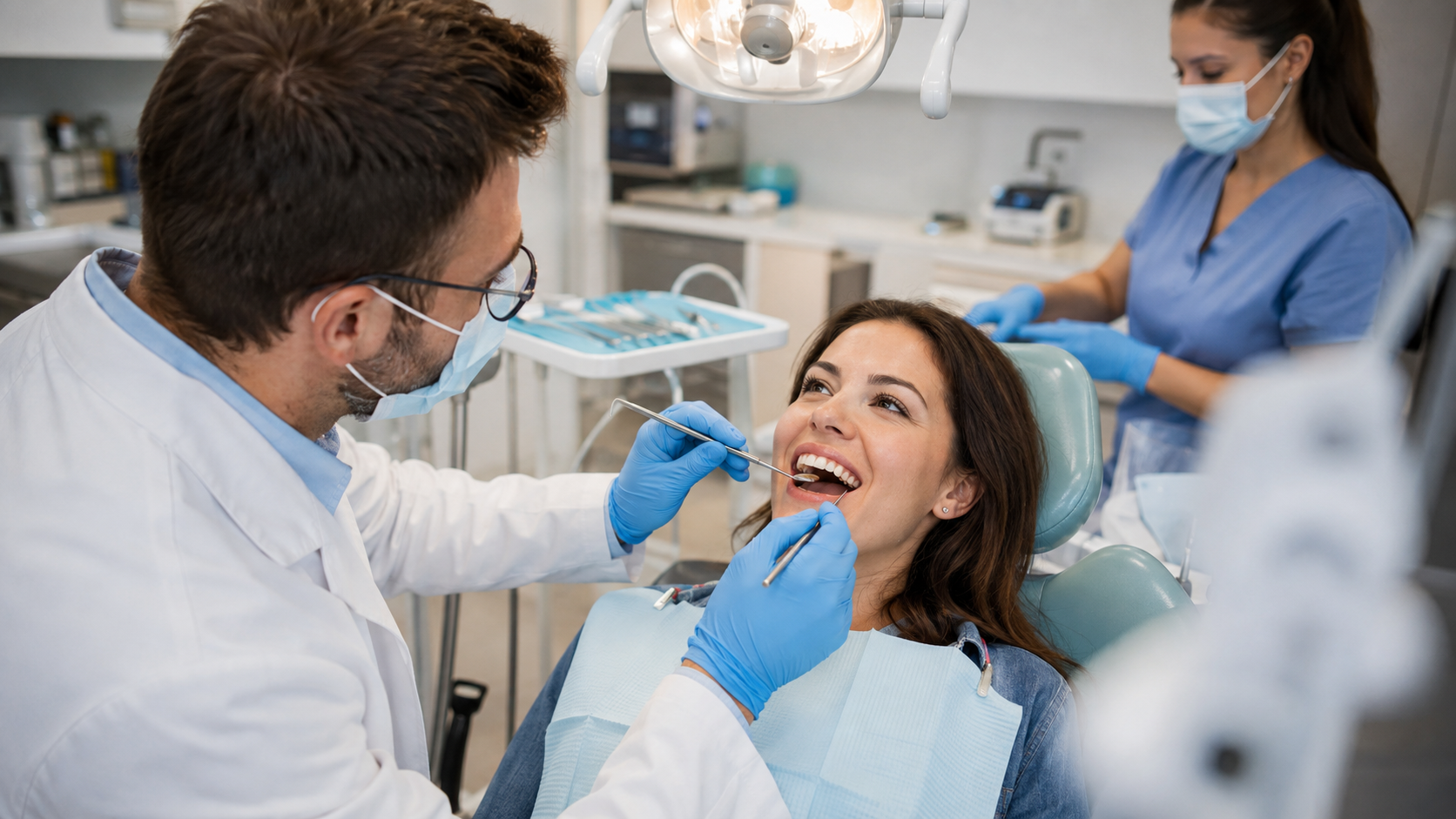
Dental problems can worsen quickly when pain, bleeding, swelling, or injury affects the tooth or surrounding tissues. Prompt evaluation helps protect the tooth, control discomfort, and reduce the risk of complications.
Severe Toothache
A severe toothache needs immediate attention when it causes constant pain, prevents sleep, or makes eating and drinking difficult. Pain that worsens with hot or cold foods, spreads toward the ear or jaw, or returns after medication may indicate decay, a damaged filling, or infection inside the tooth.
A patient should contact an emergency dentist in Brownsville, TX, rather than placing aspirin directly on the gum. Aspirin can irritate or burn the tissue. Until an appointment, the patient can rinse gently with warm water, floss carefully to remove trapped food, and use an over-the-counter pain reliever as directed on the label.
Knocked-Out Tooth
A knocked-out permanent tooth requires immediate dental care. The best chance of saving it comes from prompt treatment, especially when the patient receives care within the first hour.
The patient should handle the tooth only by the crown, which is the visible chewing surface. They should gently rinse away dirt without scrubbing the root, then place the tooth back into its socket if possible. If that cannot be done, they can store it in milk or an approved tooth-preservation solution. Children should not place a tooth back into the socket because they could swallow it. The patient should bring the tooth to the dental office immediately.
Broken Or Cracked Tooth
A broken or cracked tooth can expose sensitive inner layers and allow bacteria to enter. Immediate care becomes especially important when the tooth causes sharp pain while biting, reacts strongly to temperature, or has a missing section with a sharp edge.
The patient should avoid chewing on the affected side and should save any broken piece in a clean container. Dental wax can cover a sharp edge temporarily, while a cold compress may reduce swelling from an injury. The patient should not use household glue or attempt to repair the tooth. A dentist may smooth the area, place a filling or crown, or recommend another treatment based on the crack’s depth and location.
Uncontrolled Bleeding
Bleeding that continues after firm pressure requires urgent dental assessment. This can happen after a tooth extraction, mouth injury, or damage to the gums, particularly when a blood-thinning medication or bleeding disorder affects clotting.
The patient should place clean gauze over the area and bite down with steady pressure for 20 to 30 minutes without repeatedly checking it. Sitting upright can help limit blood flow to the mouth. The patient should avoid vigorous rinsing, spitting, smoking, and drinking through a straw because these actions can disturb a forming clot. If heavy bleeding continues, causes dizziness, or follows a serious facial injury, emergency medical care may be necessary.
Facial Swelling Or Infection
Facial swelling can signal a dental infection involving the tooth, gum, or jaw. A patient needs urgent evaluation when swelling spreads toward the eye, neck, or throat, or when it appears with fever, worsening pain, bad taste, pus, or difficulty opening the mouth.
Difficulty breathing, swallowing, or speaking requires immediate emergency medical care because swelling can affect the airway. The patient should not squeeze the swelling or apply heat, which may worsen inflammation. A dentist can identify the source, drain an abscess when appropriate, and provide treatment such as root canal therapy or tooth removal. Antibiotics may help in selected cases, but they do not replace treatment of the infected tooth.
What To Do Before Your Appointment
A patient can reduce discomfort and protect the affected tooth by taking a few careful steps before reaching an emergency dentist in Brownsville, TX. Safe pain control, gentle handling of dental injuries, and prompt attention to serious symptoms can help prevent further damage.
Managing Pain Safely
A patient should follow the label directions when taking an over-the-counter pain reliever such as acetaminophen or ibuprofen. They should not exceed the recommended dose, combine products with the same active ingredient, or take ibuprofen if a healthcare professional has advised against it. Aspirin should not be placed directly on the tooth or gums because it can irritate the tissue.
A cold compress against the outside of the cheek for 15 to 20 minutes may help reduce swelling and discomfort. The patient should rest with the head slightly elevated and rinse gently with warm water if food or debris collects around the area. They should avoid very hot, cold, sweet, or hard foods until the appointment.
Protecting A Dislodged Tooth
If a permanent tooth comes out, the patient should hold it by the crown, which is the visible chewing surface. They should avoid touching or scrubbing the root. If the tooth looks clean, they can carefully place it back into the socket without forcing it.
If reinsertion is not possible, the patient should keep the tooth moist in milk or a tooth-preservation solution. A patient should not store it in tap water or wrap it in a dry tissue. Children with a knocked-out baby tooth should not have it placed back into the socket. The patient should contact an emergency dental office immediately because timely care can affect treatment options.
Handling A Broken Restoration
A loose crown, filling, bridge, or veneer should remain in a clean container until the dentist examines it. The patient should avoid chewing on that side and should not use household glue, superglue, or other adhesives to reattach the restoration.
If a crown has come off, temporary dental cement from a pharmacy may hold it in place briefly when used exactly as directed. The patient should first check that the crown fits without force and should remove it if it causes pain or affects the bite. A sharp edge can receive temporary protection from orthodontic wax, but the patient should avoid biting hard foods near the damaged area.
When To Seek Hospital Care
A patient should seek hospital care immediately for trouble breathing or swallowing, swelling that spreads toward the eye or neck, uncontrolled bleeding, or a serious facial injury. These symptoms may signal an infection, airway concern, or trauma that requires more than dental treatment.
Emergency services can help when the patient has heavy bleeding, loses consciousness, experiences confusion, or suffers a suspected jaw fracture. A severe toothache without these warning signs usually requires urgent dental care rather than an emergency department visit. The patient should call the dental office while arranging transportation and should bring a list of medications, allergies, and relevant medical conditions.
What Happens During An Urgent Visit
An emergency dentist in Brownsville, TX first identifies the source and severity of the problem, then focuses on relieving discomfort and protecting the affected tooth. The dentist also explains practical treatment choices, costs, and follow-up needs before care begins.
Prompt Evaluation And Digital Imaging
The dental team typically asks when the symptoms started, what caused them, and whether swelling, bleeding, fever, or sensitivity affects eating and sleeping. A focused examination checks the teeth, gums, jaw, bite, and any visible injury.
Digital X-rays may reveal decay beneath a filling, an abscess near the root, a cracked tooth, or damage hidden below the gumline. These images usually take only a few minutes and help the dentist choose appropriate care without relying on symptoms alone.
Patients should mention medical conditions, allergies, pregnancy, and current medications. They should also report severe swelling, trouble breathing or swallowing, uncontrolled bleeding, or facial trauma because these symptoms may require immediate medical attention.
Comfort-Focused Pain Relief
The dentist may begin by removing trapped food or debris, smoothing a sharp edge, draining an abscess when appropriate, or treating exposed tooth tissue. Local anesthetic numbs the area before procedures, and the team checks comfort throughout the visit.
For temporary relief at home, patients may use a cold compress against the cheek and take an over-the-counter pain reliever if a healthcare professional considers it safe. They should avoid placing aspirin directly on the gums, applying heat to facial swelling, or chewing on the painful side.
Antibiotics do not treat every toothache. The dentist may prescribe them when signs of spreading infection appear, while definitive dental treatment remains necessary to address the source.
Clear Treatment Recommendations
After the examination, the dentist explains what caused the emergency and which options fit the tooth’s condition. Treatment may include a filling, crown, root canal, extraction, repair of a dental injury, or a temporary measure followed by a later appointment.
The dentist should explain expected benefits, possible risks, recovery needs, and estimated costs in straightforward language. Patients can ask whether treatment can happen during the urgent visit or whether a specialist should manage part of the care.
Written instructions may cover eating, brushing, medication use, warning signs, and the timing of follow-up care. Patients should contact the dental office if swelling worsens, fever develops, pain increases, or the temporary repair becomes loose.
Common Same-Day Treatments
Emergency dentists in Brownsville, TX, often focus first on relieving pain, controlling infection, and protecting damaged teeth. Treatment may include an extraction, root canal, repair, or abscess care, depending on the tooth’s condition and the patient’s symptoms.
Emergency Extractions
An emergency extraction may be necessary when a tooth has severe decay, a vertical fracture, or an infection that cannot be treated successfully. The dentist examines the tooth, reviews dental X-rays when needed, and explains whether removal offers the safest way to stop ongoing pain.
Before the procedure, the dentist numbs the area with local anesthetic. Patients may feel pressure, but they should not feel sharp pain. Afterward, the dental team provides instructions for protecting the blood clot, such as avoiding smoking, straws, and vigorous rinsing.
A replacement option may be discussed after healing. Depending on the patient’s needs, choices can include a dental bridge, partial denture, or implant. Patients should report heavy bleeding, worsening swelling, fever, or severe pain after an extraction.
Root Canal Relief
A root canal can relieve pain caused by infected or inflamed pulp inside a tooth. Common symptoms include lingering sensitivity to hot or cold, pain when biting, swelling near the tooth, or a deep cavity. The dentist removes the damaged tissue, cleans the canals, and seals the tooth.
Local anesthetic helps keep the procedure comfortable. The tooth may receive a temporary filling during the emergency visit, especially if a permanent crown requires a later appointment. The dentist may recommend a crown when the tooth has lost substantial strength.
Patients should avoid chewing hard foods on a tooth with a temporary filling. They should also follow medication instructions carefully and contact the dental office if swelling, fever, or increasing pain develops.
Temporary And Permanent Repairs
A same-day repair can protect a chipped, cracked, or badly decayed tooth. The dentist may use a tooth-colored composite filling to restore a small fracture or cavity, while a temporary material may cover a larger area until a crown or other restoration is ready.
A temporary repair reduces sensitivity and helps keep food from entering the damaged area. It does not always provide the strength of a permanent restoration, so patients should chew on the opposite side and avoid sticky or hard foods until follow-up care is complete.
Permanent treatment may include a filling, inlay, onlay, or crown. The best option depends on the amount of healthy tooth remaining, the location of the damage, and whether the tooth has an affected nerve.
Treatment For Dental Abscesses
A dental abscess is a pocket of infection that may cause throbbing pain, facial swelling, gum tenderness, fever, or a bad taste in the mouth. Emergency dental care may involve draining the abscess, treating the infected tooth with a root canal, or removing the tooth when it cannot be saved.
The dentist may prescribe antibiotics when the infection has spread or caused systemic symptoms. Antibiotics alone do not remove the source of a tooth infection, so the affected tooth still needs dental treatment.
Patients with swelling near the eye or neck, trouble breathing or swallowing, or a high fever need immediate emergency medical care. A dental office can explain the safest next step and arrange prompt evaluation.
Comfort, Sedation, And Anxiety Support
Emergency dental care in Brownsville, TX, can include comfort measures that reduce pain and help patients feel more in control. A dentist can discuss numbing methods, sedation choices, and practical ways to support patients who feel nervous about treatment.
Gentle Numbing Options
Before treatment begins, the dentist examines the painful area and explains where local anesthetic will go. A topical gel may first numb the gum, which can make the injection feel less noticeable. After the area becomes fully numb, the dentist tests it before starting a procedure such as treating a broken tooth, draining an infection, or removing damaged tissue.
Patients should tell the dental team if they still feel sharp pain or pressure. Numbness reduces pain, but it does not always remove pressure or movement sensations. The dentist can pause, provide more anesthetic when appropriate, and adjust the approach based on the patient’s condition.
Patients should also share allergies, current medications, pregnancy, and health conditions before receiving anesthetic. They should avoid chewing until normal feeling returns to help prevent biting the cheek, tongue, or lip.
Support For Nervous Patients
A calm appointment starts with clear communication. Patients can tell the dental team what causes concern, such as needles, drills, pain, or a previous difficult experience. The dentist may agree on a hand signal for pauses and explain each step before it happens.
Some emergency offices may offer nitrous oxide, commonly called laughing gas, to help a patient relax while remaining awake and responsive. Other sedation options require a health review, advance planning, transportation, and following food or medication instructions. Availability differs among Brownsville dental offices, so patients should ask when scheduling.
A companion may provide reassurance if the office permits one. Patients should also bring a medication list and report breathing problems, sleep apnea, or other medical conditions before sedation. A consultation helps the dentist choose a safe comfort plan based on the urgency of treatment and the patient’s needs.
Aftercare And Recovery Guidance
After emergency dental treatment, patients should protect the treated area, manage discomfort as directed, and watch for signs that require prompt attention. Careful eating, medication use, and follow-up visits can support healing and help prevent another urgent dental problem.
Eating And Drinking Recommendations
Patients should follow the dentist’s specific instructions because eating restrictions depend on the procedure. After an extraction or oral surgery, they should choose soft, cool foods such as yogurt, applesauce, eggs, mashed potatoes, and smoothies eaten with a spoon. They should avoid straws, vigorous rinsing, and forceful spitting for the first 24 hours because suction can disturb the developing blood clot.
Until numbness wears off, patients should avoid hot foods and drinks to prevent burns and should chew on the opposite side. Hard, crunchy, sticky, spicy, or acidic foods may irritate the treated area. Adequate water intake supports recovery, but alcohol and tobacco can delay healing and increase complications.
Medication And Healing Instructions
Patients should take prescribed antibiotics exactly as directed and finish the course unless the prescribing dentist tells them to stop. Antibiotics do not replace dental treatment, so patients should attend recommended follow-up care even if pain improves.
For pain, the dentist may recommend ibuprofen, acetaminophen, or another medication based on the patient’s health history. Patients should follow the label or prescription instructions and avoid taking duplicate products containing acetaminophen. They should not place aspirin directly on the gums because it can irritate tissue and cause bleeding.
A small amount of soreness or swelling may occur after treatment. Applying a covered cold pack for 15 minutes at a time during the first day can help reduce swelling.
Follow-Up Care
Patients should schedule the recommended follow-up appointment, even when symptoms have improved. A dentist may need to replace a temporary filling, check an extraction site, complete a root canal, or restore a damaged tooth permanently.
They should contact an emergency dentist in Brownsville, TX, if pain worsens, swelling spreads, fever develops, bleeding does not slow with firm gauze pressure, or trouble breathing or swallowing occurs. These symptoms can indicate infection or another complication requiring prompt evaluation.
Patients should also ask when they can resume normal brushing, exercise, and work activities. Keeping the mouth clean around the treated area, attending follow-up visits, and asking questions early can make recovery safer and more comfortable.
Preventing Future Dental Emergencies
Consistent preventive care helps patients address small dental problems before they become painful emergencies. Regular examinations, protective equipment, and treatment for nighttime grinding can reduce the risk of broken teeth, severe decay, and dental injuries.
Routine Checkups And Early Repairs
Routine dental checkups allow a dentist to find cavities, worn fillings, cracked teeth, gum disease, and developing infections before symptoms become severe. Patients should follow the visit schedule their dentist recommends, often every six months, though some people need more frequent care.
Early repairs can prevent a minor issue from becoming an urgent problem. A small cavity may need only a filling, while delaying treatment can lead to nerve damage, an abscess, or the need for root canal therapy. Patients should contact a Brownsville dentist promptly if they notice tooth sensitivity, pain when biting, swelling, or a loose filling.
Daily care also matters. Brushing twice a day with fluoride toothpaste, cleaning between teeth, and limiting frequent sugary snacks help protect enamel and reduce decay.
Sports Mouthguards
A properly fitted mouthguard helps protect teeth during contact sports and activities that involve falls or collisions. It can reduce the chance of chipped teeth, cuts to the lips, and damage to dental work such as crowns or braces.
A dentist-made mouthguard usually fits more securely than a loose, store-bought option. Patients who wear braces may need a design made specifically for orthodontic appliances. The mouthguard should feel comfortable, stay in place during movement, and allow normal breathing.
Athletes should inspect the guard regularly for tears, thinning, or poor fit. Children may need replacements as their teeth and jaws develop. They should store the mouthguard in a ventilated case and rinse it after use.
Protecting Teeth From Grinding
Teeth grinding, also called bruxism, can wear down enamel and cause cracks, jaw soreness, headaches, or sensitivity. Many people grind during sleep without realizing it. Signs can include flattened tooth edges, morning jaw stiffness, or a partner noticing grinding sounds.
A dentist can examine the teeth and recommend a custom nightguard when appropriate. This appliance creates a protective barrier between the upper and lower teeth and may reduce pressure on dental restorations. Patients should not use a damaged or poorly fitting guard without professional advice.
Stress management, consistent sleep habits, and avoiding caffeine close to bedtime may also help some patients reduce grinding. Anyone who notices tooth damage or persistent jaw pain should schedule a dental evaluation and discuss suitable next steps.
Getting Prompt Care In Brownsville
Prompt action can help a patient manage pain, swelling, or dental damage before the problem worsens. A clear phone call, basic symptom details, and questions about fees can help a Brownsville patient find suitable emergency dental care.
Preparing To Call A Local Dental Office
Before calling a Brownsville dental office, the patient should note when the problem started, what caused it, and whether symptoms are getting worse. The office will likely ask about pain intensity, swelling, bleeding, fever, a broken tooth, or trouble opening the mouth.
The patient should mention relevant health information, including allergies, pregnancy, diabetes, blood thinners, and current medications. Photos of a cracked tooth or visible swelling may help the dental team assess urgency, but they do not replace an examination.
During the call, the patient should provide a phone number and explain whether the issue involves a child or an adult. If severe facial swelling affects breathing or swallowing, uncontrolled bleeding continues, or a serious injury occurred, the patient should seek emergency medical care immediately.
Until the appointment, the patient should avoid placing aspirin directly on the gums. A cold compress applied outside the cheek can help reduce swelling, while following labeled directions for any suitable over-the-counter pain medicine.
Questions To Ask About Availability And Costs
A patient can ask whether the office offers same-day emergency appointments and what time the earliest examination is available. It also helps to ask whether the dentist treats the specific problem, such as a dental abscess, knocked-out tooth, fractured crown, or severe toothache.
Cost questions can prevent surprises. The patient should ask about:
- The emergency examination fee
- X-ray or imaging charges
- Treatment costs and available options
- Accepted insurance plans
- Self-pay discounts or payment plans
- Deposits required before treatment
The patient should also ask whether the quoted amount covers only the examination or includes immediate treatment. If a full procedure cannot occur that day, the office can explain temporary measures, follow-up timing, and warning signs that require urgent attention. Clear answers help the patient choose care based on both medical needs and budget.
Frequently Asked Questions
Dental emergencies can include severe pain, swelling, bleeding, broken teeth, and injuries that threaten a tooth’s survival. Prompt evaluation, practical first-aid steps, and clear payment options can help Brownsville patients receive care without unnecessary delays.
What should I do if I have a dental emergency and do not have a regular dentist?
A patient without a regular dentist can call an emergency dentist in Brownsville, TX, and explain the symptoms, injury, and timing. The office can advise whether the patient needs a same-day visit or immediate hospital care.
If facial swelling affects breathing or swallowing, the patient should call 911 or go to the nearest emergency department. Hospital staff can manage dangerous swelling, but a dentist should treat the underlying tooth problem.
Can an emergency dentist pull a severely damaged or painful tooth the same day?
An emergency dentist may remove a severely damaged or painful tooth during the first visit if an examination and X-rays show that extraction is appropriate. The dentist will review alternatives, such as a root canal and crown, when saving the tooth remains possible.
Active infection, uncontrolled bleeding, or certain medical conditions may require treatment before extraction. Patients should provide a complete medication and health history so the dentist can plan a safe procedure.
How quickly should I see a dentist for a knocked-out, broken, or loose tooth?
A knocked-out permanent tooth needs urgent care, ideally within 30 minutes. The patient should handle it by the crown, gently rinse it without scrubbing, and place it in milk or a tooth-preservation solution if they cannot reinsert it carefully into the socket.
A broken or loose tooth also needs prompt evaluation, especially after an accident. The patient should avoid chewing on that side and save any broken pieces for the dental visit.
What can I do at home to manage severe tooth pain until I can see a dentist?
A patient can rinse with warm salt water, gently floss around the tooth, and apply a cold compress to the outside of the cheek for 15-minute intervals. Over-the-counter pain medicine, such as ibuprofen or acetaminophen, may help when taken according to the label and the patient’s medical restrictions.
The patient should not place aspirin, alcohol, or clove oil directly on the gums because these substances can cause tissue damage. Severe swelling, fever, facial redness, or difficulty swallowing requires urgent professional care.
Are emergency dental visits available after hours or on weekends in Brownsville?
Some Brownsville dental offices offer evening, weekend, or on-call emergency appointments, but availability varies by practice. A patient should call before arriving and describe the symptoms so the office can confirm hours, services, and instructions.
If no dental office is open, a patient with uncontrolled bleeding, major facial trauma, or breathing difficulty should seek emergency medical care. Non-life-threatening tooth pain still needs a dental appointment as soon as an office becomes available.
What are my options if I need emergency dental care but do not have insurance or money available?
A patient can ask Brownsville dental offices about self-pay prices, payment plans, financing, or a limited emergency examination. Some community clinics and dental schools may offer lower-cost services, although appointments and eligibility rules vary.
The patient should request a written estimate before treatment and ask which services require immediate attention. Delaying care can allow infection or tooth damage to worsen, so discussing affordable treatment stages may provide a practical path forward.