

Finding a dentist for the whole household should not feel complicated. The right dental office can make it easier to coordinate appointments, keep up with preventive care, and ask questions about each family member’s changing oral health needs.
When searching for a family dentist in Brownsville, TX, patients often want more than a convenient location. They also want a welcoming team, clear explanations, modern treatment options, and care that can adapt as children grow and adults’ needs change.
This guide explains what family dental care includes, what to look for in a practice, and how to feel more confident when selecting a long-term dental home.
This article provides general educational information and is not a substitute for an examination, diagnosis, or personalized treatment advice from a licensed dentist.
What Does a Family Dentist Do?
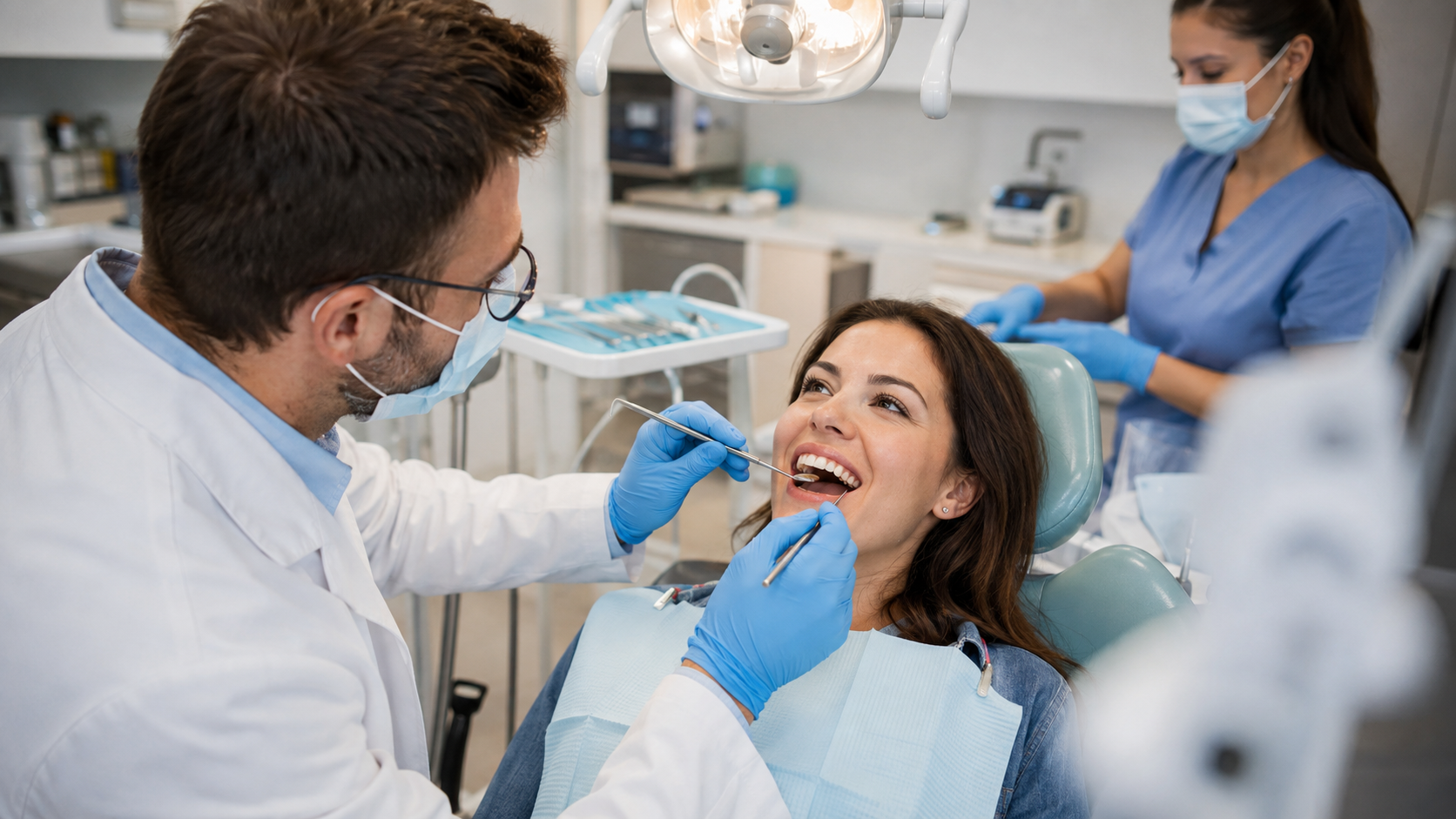
A family dentist provides ongoing oral healthcare for people at different stages of life. Depending on the practice, that may include children, teenagers, working adults, parents, and older family members.
Rather than visiting separate offices for every routine dental need, a household may be able to receive much of its care in one familiar setting. This can simplify scheduling and help patients build an ongoing relationship with a dental team that understands their concerns and dental history.
Family dentistry commonly includes preventive, general, restorative, pediatric, and emergency services. Some practices also offer cosmetic dentistry, tooth replacement, and other advanced treatments. The exact services available will vary, so patients should confirm that an office can address their current priorities.
Family Dentistry Versus General Dentistry
Family and general dentistry often overlap. Both may provide examinations, cleanings, fillings, crowns, and other common services. The main difference is usually the range of ages regularly treated by the practice.
A family-focused office is structured to make care approachable for several generations. That may mean helping a child become comfortable during an early visit, explaining preventive options to a teenager, or discussing restorative choices with an adult. Patients should still ask which ages the practice sees and whether any specific treatment requires a referral.
Why Having One Dental Home Can Be Helpful
Managing school, work, activities, and healthcare appointments can make dental care easy to postpone. A family dental office may reduce some of that friction by giving household members one familiar place to call.
Potential benefits include:
- Simpler coordination: Families can ask whether appointments may be arranged close together when the schedule allows.
- A familiar environment: Returning to the same office can make visits feel more predictable, especially for nervous patients.
- Continuity of care: An established dental team can compare current findings with previous examinations and records.
- Age-appropriate guidance: Recommendations can change as teeth develop, restorations age, or health needs evolve.
- Convenient communication: Patients know where to direct questions about routine care, discomfort, treatment plans, or follow-up visits.
Convenience matters, but it should not be the only consideration. A good fit also depends on the team’s communication style, the services offered, the office environment, and whether patients feel respected during each visit.
Services to Look for in a Brownsville Family Dental Office
Every family has different needs. One household may be focused on children’s checkups and preventive care, while another needs help with damaged teeth, missing teeth, or unexpected pain. Looking at the range of services before choosing an office can help prevent surprises later.
Preventive Care
Preventive visits often include an examination, professional cleaning, and personalized home-care guidance. The dentist may recommend dental imaging when it is appropriate for the patient’s age, history, symptoms, and clinical needs.
Patients can use these visits to ask about brushing, flossing, sensitivity, dry mouth, dietary habits, or changes they have noticed. The appropriate recall schedule is not identical for everyone, so the dental team should recommend visit timing based on individual oral health needs.
Children’s Dental Care
Children benefit from calm, age-appropriate explanations and a team that does not rush them unnecessarily. A supportive visit can introduce the sights and sounds of the dental office while helping parents understand how to care for developing teeth.
Parents may want to ask how the practice handles a child’s first appointment, dental anxiety, preventive services, fillings, and referrals for specialized care.
Restorative Dentistry
Restorative services are used to repair or replace teeth when appropriate. Depending on the clinical situation and the practice, options may include fillings, crowns, bridges, dentures, dental implants, endodontic treatment, or extractions.
No single treatment is right for every patient. The dentist should explain the findings, available alternatives, expected steps, relevant risks, and likely costs before care begins. Some procedures may also require coordination with a dental specialist.
Emergency Dental Evaluation
Tooth pain, swelling, a broken tooth, or a dental injury can be stressful. Before selecting a family dentist, it is helpful to ask how the office handles urgent concerns, whether same-day evaluations may be available, and what patients should do outside regular hours.
Facial swelling that affects breathing or swallowing, uncontrolled bleeding, or serious facial trauma may require immediate emergency medical attention rather than waiting for a routine dental appointment.
What to Look for When Comparing Dentists
A polished website can provide useful information, but the overall patient experience matters just as much. Families can use the following questions to compare practices in Brownsville.
Does the Team Communicate Clearly?
Patients should feel comfortable asking what the dentist sees, why treatment is being recommended, and whether alternatives exist. Clear communication includes explaining procedures in everyday language rather than relying on technical terms.
A helpful team should also be willing to review follow-up instructions and answer practical questions about appointments, billing, and insurance.
Is Patient Comfort a Priority?
Dental anxiety is common and should not be treated as an inconvenience. Patients can ask how the office supports nervous adults and children, whether breaks can be requested, and how the team explains each step of a visit.
Comfort also includes feeling heard. A dentist should invite patients to mention sensitivity, past experiences, medical conditions, medications, and concerns before treatment.
Are the Services a Good Match?
Review the practice’s services and compare them with the household’s likely needs. A broad range of care can be convenient, but patients should remember that availability does not automatically mean a procedure is appropriate. Recommendations should follow a thorough evaluation.
Key Dental lists services that include comprehensive, preventive, general, pediatric, restorative, and emergency dentistry, along with fillings, crowns and bridges, dentures, dental implants, endodontics, extractions, and other care. Patients should contact the office to confirm current availability and determine whether a consultation is appropriate.
Are the Location and Hours Practical?
An office that fits the family’s normal travel and work patterns may make routine care easier to maintain. Consider parking, accessibility, proximity to home or school, and appointment hours. Patients with limited availability may also want to ask about evening or weekend scheduling.
Are Financial Details Explained Before Treatment?
Before agreeing to treatment, patients should receive a clear explanation of estimated fees and payment expectations. Those using dental insurance can ask whether the office participates with their plan and whether the team can help estimate benefits.
Insurance estimates are not guarantees of payment. Patients should confirm coverage, deductibles, waiting periods, annual limits, and out-of-pocket responsibilities with their insurance carrier.
How to Prepare for a First Family Dental Visit
A little preparation can help an initial appointment go more smoothly. Patients should bring requested identification, insurance information, medication details, relevant health history, and available dental records or X-rays.
It can also help to write down questions in advance. Useful topics include:
- Which areas of the mouth need attention?
- Is any treatment urgent, or can it be monitored?
- What options are available?
- What are the benefits, limitations, and relevant risks of each option?
- How many visits may be needed?
- What costs are expected?
- What can the patient do at home to support oral health?
Parents can prepare children with a simple, positive description of the visit. Avoid promising that nothing will feel uncomfortable, since the child’s needs may not be known yet. Instead, explain that the dental team will count and examine the teeth, answer questions, and help keep the smile healthy.
When Should Someone Contact a Dentist?
Patients do not need to wait for severe pain before calling a dental office. A routine visit may be appropriate when someone is due for preventive care or wants to establish care with a new dentist.
A prompt dental evaluation may be appropriate for concerns such as ongoing tooth pain, temperature sensitivity, bleeding or swollen gums, a chipped or loose tooth, a lost restoration, discomfort when biting, jaw pain, or a sore in the mouth that is not improving.
The urgency depends on the symptoms and the person’s health. A dental professional can provide scheduling guidance, while severe or potentially life-threatening symptoms require emergency medical care.
Family Dental Care at Key Dental in Brownsville
Key Dental describes its approach as comprehensive dental care in a comfortable, welcoming environment, supported by modern technology and personalized treatment planning. The practice serves patients in Brownsville, TX and offers options ranging from routine preventive visits to restorative and cosmetic care.
The office is located at 1100 N Expressway Suite B & C, Brownsville, TX 78521. Families interested in establishing care can review current office information and request an appointment through the practice’s contact and online booking page.
Frequently Asked Questions
Can adults and children visit the same family dentist?
Often, yes. Family dental practices commonly care for multiple age groups, but policies differ. Parents should confirm the youngest age accepted and ask whether certain pediatric or advanced needs are referred to specialists.
How often should a family visit the dentist?
There is no single schedule that fits every patient. The dentist should recommend visit frequency based on age, current findings, oral health history, risk factors, and treatment needs.
What if a family member is afraid of the dentist?
The patient or parent should tell the team when scheduling and again at the visit. A supportive office may explain procedures step by step, agree on a pause signal, allow questions, and adjust the pace when clinically appropriate.
Does a family dentist provide emergency care?
Many family practices evaluate urgent dental concerns, but availability and after-hours policies vary. Ask the office how it handles pain, swelling, broken teeth, and injuries before an emergency occurs.
Will dental insurance cover family dentistry?
Coverage depends on the insurance plan, provider network, procedure, deductible, waiting period, and benefit limits. The dental office may provide an estimate, but the insurance carrier determines final coverage.
What is the best way to choose a family dentist in Brownsville, TX?
Look for an office with appropriate services, clear communication, practical hours, transparent financial policies, and a welcoming approach to patient comfort. A first visit can help the family decide whether the environment and care philosophy feel like a good long-term fit.
Build a More Comfortable Dental Routine
A dependable dental home can make preventive visits and unexpected concerns easier to manage. The best choice is an office where patients feel listened to, understand their options, and receive recommendations tailored to their needs.
Families looking for a family dentist in Brownsville, TX can contact Key Dental to ask questions, discuss individual concerns, or schedule a consultation. An in-person examination is the appropriate next step for personalized guidance.