

Affordable veneers in Brownsville, TX are an option for many who want to improve their smile without breaking the bank. Dental clinics in the area offer a variety of treatments that balance quality and cost, making veneers accessible to a wider range of patients. Many local dentists provide affordable veneer options by using modern materials and efficient techniques.
Veneers can fix common dental issues like chipped, stained, or uneven teeth, giving a natural and lasting look. Patients in Brownsville often find that affordable veneers help boost confidence while maintaining comfort throughout the process.
Understanding the options available and how prices compare can help someone make the best choice for their smile. Dental experts encourage reaching out with questions to find a personalized plan that fits both budget and dental health needs.
Understanding Dental Veneers
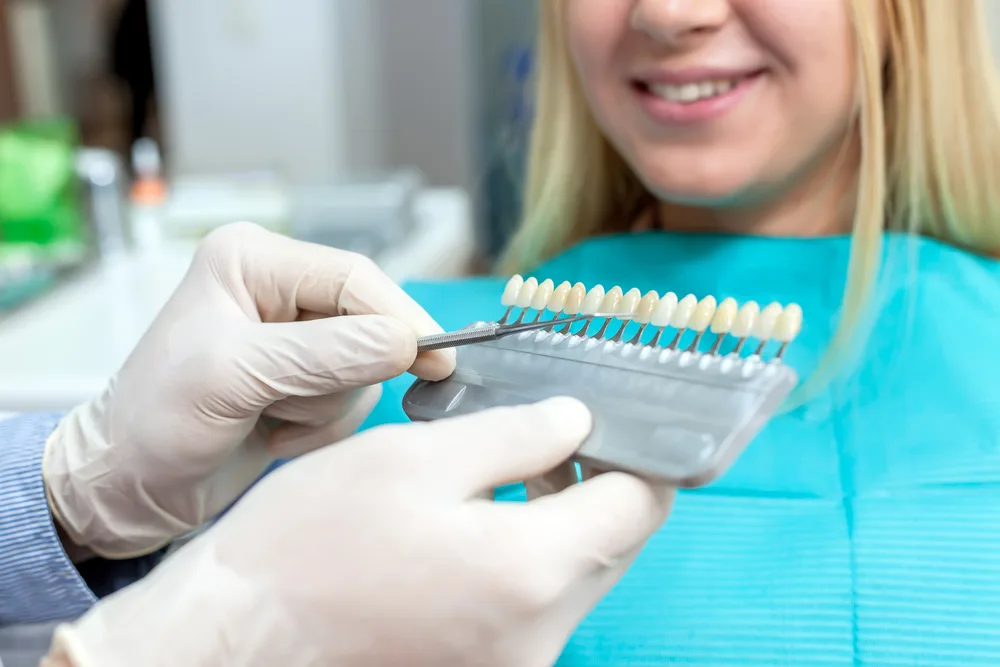
Dental veneers offer a versatile way to improve the look of teeth by addressing specific issues like discoloration, chips, or gaps. Different materials and designs are available to match individual needs, while common reasons for choosing veneers often relate to boosting confidence and enhancing smiles.
What Are Veneers?
Veneers are thin, custom-made shells designed to cover the front surface of teeth. Made primarily from porcelain or composite resin, they are bonded to teeth to improve color, shape, size, or length. The process usually involves minimal removal of tooth enamel.
They are durable and resistant to staining, making them a long-lasting cosmetic option. The goal is to create a natural-looking smile that blends well with surrounding teeth.
Types of Veneers Available
Porcelain veneers are the most common, offering strength and a natural appearance. They resist stains and can last 10 to 15 years with proper care. Composite veneers, made from tooth-colored resin, are a quicker and more affordable choice but may not last as long.
Another option is no-prep veneers, which require little to no tooth alteration and fit over existing teeth. Choosing the right type depends on budget, aesthetic goals, and dental health.
Comparison Table:
| Type | Material | Lifespan | Cost | Tooth Preparation |
|---|---|---|---|---|
| Porcelain Veneers | Porcelain | 10-15 years | Higher | Moderate |
| Composite Veneers | Composite Resin | 5-7 years | Lower | Minimal |
| No-Prep Veneers | Porcelain/Resin | Varies | Medium-High | Little or None |
Common Reasons for Choosing Veneers
People often select veneers to fix stained or discolored teeth that do not respond well to whitening treatments. They also cover chips, cracks, or worn-down edges, restoring a tooth’s smooth look. Gaps or minor misalignments can be concealed without braces or other orthodontic work.
Many patients want to enhance their smile for special events or to improve overall self-confidence. Veneers provide a quick, effective way to achieve the look of healthy, bright teeth while maintaining comfort and durability.
If any of these reasons resonate, consulting a dental professional in Brownsville can help explore affordable options tailored to individual needs.
Cost Considerations for Veneers in Brownsville
Understanding the costs involved can help patients make informed decisions about veneers. Pricing depends on multiple elements like materials, dentist expertise, and local market trends. Reviewing typical expenses and options gives a clearer picture of what to expect.
Factors That Affect Pricing
Several key factors influence the cost of veneers in Brownsville. The type of material used—porcelain or composite resin—plays a major role. Porcelain is more durable and natural-looking but tends to cost more.
The dentist’s experience and the clinic’s location also impact prices. Highly skilled practitioners or offices in premium areas often charge higher fees. Additional treatments like teeth cleaning or shaping may add to the total cost.
Laboratory fees and the number of veneers required are other elements affecting pricing. Custom-made veneers involve more time and precision, reflecting in the overall price.
Average Costs in the Local Area
In Brownsville, the average cost for porcelain veneers typically ranges between $800 to $1,200 per tooth. Composite veneers are generally lower, around $250 to $500 per tooth. These prices can vary based on the clinic and the specific dental work involved.
Some practices offer package deals or payment plans, making veneers more accessible. It’s advisable to request a detailed estimate and understand what services are included, such as consultations or follow-up visits.
Patients should consider that insurance may not cover veneers since they are often seen as cosmetic. Checking with the dental office on financing options can help manage expenses.
Comparing Affordable and Premium Options
Affordable options often use composite resin, which costs less upfront but may require more frequent repairs or replacements. This can be a budget-friendly choice for minor cosmetic improvements.
Premium porcelain veneers provide a longer-lasting, more natural appearance but come with higher initial costs. Clinics offering premium veneers usually provide advanced technology like digital imaging and custom shading to enhance results.
Patients should weigh durability against price and personal goals. A thorough consultation can help select the best option for their smile needs and budget.
Finding the Right Dental Professional
Choosing the right dental professional for veneers in Brownsville, TX means focusing on trust, skills, and clear communication. Knowing what to look for, what to ask, and how to confirm experience will help patients feel confident and comfortable throughout their treatment.
Qualities to Look For in a Cosmetic Dentist
A good cosmetic dentist combines technical skill with a gentle approach to care. Look for someone who listens carefully and explains procedures in simple terms. Comfort during visits is key, so a friendly, patient-focused attitude matters.
The dentist should use modern technology, like digital impressions or advanced imaging, to ensure precise results. Consistent positive patient reviews and before-and-after photos of previous veneer work show real expertise. Transparency about costs and treatment time also reflects professionalism.
Questions to Ask Before Starting Treatment
Before committing, patients should ask clear, practical questions to understand the process and expectations. For example:
- How long will the veneer procedure take?
- What materials are used, and why?
- Are there any risks or side effects?
- What kind of aftercare is required?
It’s important to inquire about payment options or financing plans to avoid surprises. Asking about the dentist’s follow-up care policy can also reveal how committed they are to patient satisfaction.
Verifying Experience and Credentials
Check that the dentist is licensed and has specialized training in cosmetic dentistry or veneers specifically. Membership in professional organizations, like the American Academy of Cosmetic Dentistry (AACD), signals dedication to ongoing education.
Patients should request to see a portfolio of completed veneer cases or referrals. Experience in handling diverse dental challenges ensures the dentist can tailor solutions effectively. Confirming a track record of successful, natural-looking results helps build trust before starting treatment.
Financing and Payment Solutions
Affordable veneers in Brownsville, TX, often come with various payment options designed to ease financial concerns. Patients can find solutions that fit their budgets without sacrificing quality or care. Understanding these options helps make veneers more accessible.
Flexible Payment Plans
Many dental offices in Brownsville offer flexible payment plans that break down the total veneer cost into smaller, manageable monthly amounts. These plans often have low or zero-interest rates, making it easier to spread payments over several months.
Dental practices usually work with third-party financing companies like CareCredit or LendingClub. Approval can be quick, and patients often receive immediate treatment without waiting to pay the full amount upfront. It’s important to review the terms carefully, including any fees or interest rates, before committing.
Patients should ask about down payments, monthly due dates, and any penalties for late payments. Flexible plans allow people to prioritize their oral health while keeping financial stress low.
Insurance Coverage and Limitations
Most dental insurance plans do not cover veneers, as they are considered cosmetic procedures. This means patients may need to pay out-of-pocket for the full treatment cost. However, some plans might cover related services like exams or X-rays needed before getting veneers.
Patients should verify their insurance benefits directly with their provider. It’s helpful to get a detailed estimate from the dental office for submitting claims or pre-authorization.
In some cases, dental discount plans or Health Savings Accounts (HSAs) can reduce veneer expenses. These options provide some relief but usually don’t cover the entire cost. Being aware of these insurance details helps patients plan correctly and avoid surprises.
Step-by-Step Veneer Procedure
Getting veneers involves clear, careful steps to ensure the final smile looks natural and fits comfortably. Each stage focuses on tailoring the treatment to the patient’s needs and making sure they are informed and comfortable throughout.
Initial Consultation Process
During the first visit, the dentist evaluates the patient’s oral health and discusses their smile goals. This includes examining teeth condition and discussing any concerns like sensitivity or previous dental work.
X-rays or impressions might be taken to plan the best approach. The dentist explains the veneer options, costs, and timeline clearly, helping the patient weigh decisions without pressure.
This step is also a chance to set expectations about the process and results, so the patient feels confident moving forward.
Customizing Your Smile
Once the plan is approved, the dentist works on designing veneers that match tooth shape, color, and size for a natural look. They may take digital scans or molds to create precise veneers made in specialized labs.
Color matching is crucial. The dentist helps choose shades that blend smoothly with existing teeth or brighten the smile, according to the patient’s wishes.
Sometimes temporary veneers are placed to preview the new look and ensure comfort before final veneer fabrication.
Placing the Veneers
At the placement appointment, the tooth surface is gently prepared by removing a tiny layer of enamel to allow veneers to fit properly.
The dentist cleans and etches the tooth to create a strong bond. Then, veneers are carefully placed and adjusted for fit and appearance before being permanently bonded with dental cement.
A curing light hardens the cement quickly. The dentist checks bite and comfort, making minor tweaks if needed.
After placement, the patient receives care instructions to protect their new veneers and keep their smile healthy.
Benefits of Veneers Beyond Appearance
Veneers offer advantages that extend well past simply enhancing a smile. They can make a real difference in how someone feels about themselves and how well their teeth function daily. These benefits often improve quality of life in practical ways.
Boosting Self-Confidence
When veneers cover imperfections like chips, gaps, or stains, patients often notice a significant boost in self-esteem. Feeling proud of their smile encourages more frequent, genuine expressions and social interactions. This new confidence can influence both personal and professional situations positively.
Veneers also provide a natural look, avoiding the “fake” appearance some fear. That natural feeling helps patients relax instead of worrying about how their teeth look. It’s about feeling comfortable in one’s own skin, which impacts mental well-being and social ease.
Improved Oral Function
Veneers do more than improve looks; they can restore proper bite alignment and protect weakened teeth from further damage. Covering worn or cracked enamel helps patients chew and speak more effectively. This added strength supports daily oral activities without discomfort or sensitivity.
Because veneers are custom-fitted, they blend seamlessly with existing teeth to enhance bite balance. This can reduce strain on jaw muscles and prevent issues like headaches or jaw pain. For many, veneers provide both cosmetic and functional support that makes everyday life easier.
Caring for Your Veneers
Maintaining veneers involves consistent care to keep them looking natural and lasting longer. Protecting them from damage and staining ensures they remain a bright, confidence-boosting part of your smile.
Daily Maintenance Tips
Brushing twice a day with a non-abrasive toothpaste helps remove plaque without scratching veneers. Using a soft-bristled toothbrush reduces wear on the surface. Flossing daily is essential to clean between teeth and prevent gum irritation.
Regular dental check-ups allow professionals to monitor the condition of veneers and perform cleanings that avoid damage. Avoiding harsh mouthwashes with alcohol prevents weakening the bonding material. Rinsing after meals helps reduce food buildup and staining risk.
Foods and Habits to Avoid
Hard foods like ice, nuts, or hard candy can chip or crack veneers, so it’s best to avoid biting directly into them. Sticky candies and chewing gum may pull at the veneers and worsen their bond.
Staining substances such as coffee, red wine, and tobacco products can discolor veneers over time. Limiting intake and rinsing your mouth afterward help maintain their appearance. Biting nails or using teeth to open packages puts unnecessary pressure on veneers and should be avoided.
Long-Term Value and Results
Veneers offer a lasting improvement to the smile with proper care and realistic expectations. Their durability depends on both materials and the patient’s habits, while maintenance plays a key role in preserving their appearance and function over time.
Expected Lifespan of Veneers
Most veneers, particularly porcelain ones, typically last between 10 to 15 years. High-quality materials and precise dental work are important factors that extend their longevity.
Composite veneers tend to have a shorter lifespan, often around 5 to 7 years, as they are less resistant to wear and stain.
It’s normal for veneers to require replacement eventually due to natural wear or changes in the surrounding teeth and gums. Regular dental check-ups help catch early signs of damage or wear, allowing timely repairs or replacements.
How to Make Results Last
Maintaining veneers starts with excellent oral hygiene—brushing twice daily and flossing carefully to avoid gum irritation around the edges.
Avoid biting hard objects like ice or pen tips, which can chip or crack veneers. Patients should also limit habits such as teeth grinding by using a night guard if recommended.
Regular dental visits allow professionals to monitor the veneers and clean areas that are hard to reach at home.
Avoiding heavily pigmented foods and drinks can reduce staining, helping veneers look fresh longer.
These simple but consistent steps make a real difference in keeping the smile bright and vibrant.
Next Steps Toward a Brighter Smile
Choosing affordable veneers in Brownsville, TX, starts with a simple consultation. During this visit, the dentist will evaluate dental health and discuss your smile goals. This helps create a customized treatment plan that fits both your needs and budget.
Patients should prepare by listing any questions or concerns about veneers. Knowing what to expect can ease nerves and make the process smoother. Some common topics include the types of veneers available, the procedure timeline, and care tips.
After the initial consultation, impressions or scans of the teeth are taken. These ensure the veneers fit perfectly and look natural. The dentist may place temporary veneers while the permanent ones are crafted in a dental lab.
Once the permanent veneers are ready, the dentist will bond them to the teeth with a special adhesive. This step usually takes about one to two hours. It’s painless and many patients comment on how natural their new smile feels.
Helpful tips before veneers:
| Step | What to Know |
|---|---|
| Schedule a cleaning | Clean teeth improve veneer bonding quality |
| Discuss budget options | Ask about payment plans or insurance coverage |
| Follow care advice | Gentle brushing and avoiding hard foods help veneers last |
Starting with a trusted dental provider in Brownsville makes a big difference. They can guide patients through each step with care and clear information. Anyone thinking about veneers is encouraged to reach out and take that first step toward a confident smile.
Frequently Asked Questions
When considering veneers in Brownsville, cost, material choices, and treatment timing are important factors. Understanding how long veneers last and available payment options can make the process smoother and more affordable.
How much do veneers typically cost, and what makes the price go up or down?
Veneers usually range from $800 to $2,500 per tooth in Brownsville. The price varies based on the type of material used, the dentist’s experience, and the complexity of the case. Customization and additional treatments, like teeth preparation, can also affect the total cost.
What are the most budget-friendly alternatives to veneers that still look natural?
Composite bonding is a popular lower-cost option that can quickly improve a smile. Teeth whitening and dental bonding offer natural-looking results without the price tag of porcelain veneers. These treatments require less enamel removal and often cost a fraction of veneers.
Do dental offices offer payment plans or financing to help spread out the cost?
Many dental offices in Brownsville provide flexible payment plans or financing through third-party companies. These options allow patients to pay in monthly installments with little or no interest. It’s a good idea to ask the dental office about their specific options during your consultation.
How long do veneers usually last, and what can I do to make them last longer?
Porcelain veneers typically last 10 to 15 years, sometimes longer with proper care. Composite veneers last around 5 to 7 years. Good oral hygiene, avoiding hard foods, and regular dental checkups help extend the lifespan of your veneers.
What’s the difference between porcelain and composite veneers, and which one is easier on a tight budget?
Porcelain veneers are more durable, stain-resistant, and have a natural shine but cost significantly more. Composite veneers are less expensive, repairable, and completed in one visit but may stain or chip more easily. For budget concerns, composite veneers are the more affordable choice.
Can I get veneers quickly if I have an urgent event coming up, and what’s the fastest timeline?
Some dentists offer same-day veneers using advanced technology like CAD/CAM systems. This can provide durable veneers within 1 to 2 appointments over a week. Composite veneers are generally quicker, often done in a single visit, making them ideal for last-minute smile fixes.