
Dental implants in Brownsville, TX, offer a reliable and long-lasting solution for people missing one or more teeth. They mimic natural teeth by anchoring securely into the jawbone, providing stability and improving both function and appearance. This option has become increasingly popular due to its durability and ability to restore confidence while eating, speaking, and smiling.
Many patients in Brownsville appreciate the personalized care available from local dental experts who focus on comfort and modern techniques. Whether someone needs a single implant or multiple teeth replaced, the process is designed to be straightforward and gentle, with plenty of options to fit individual needs.
Understanding dental implants can seem tricky at first, but knowing the basics helps patients feel at ease. Exploring treatment plans and asking questions can lead to a better experience and healthier smile, so it’s always a good idea to reach out to a trusted local dentist for advice.
What Are Dental Implants?
Dental implants are artificial tooth roots designed to support replacement teeth or bridges. They offer a durable and natural-looking solution for missing teeth. Understanding how they work, their benefits, and who can get them helps patients make informed decisions.
How Dental Implants Work
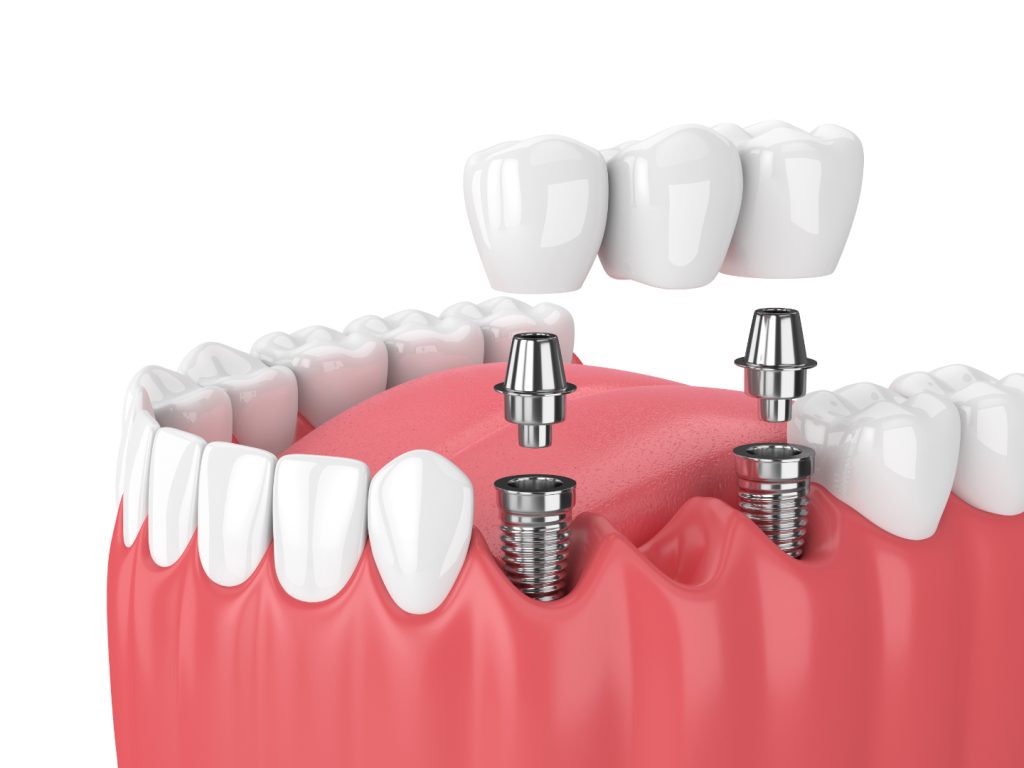
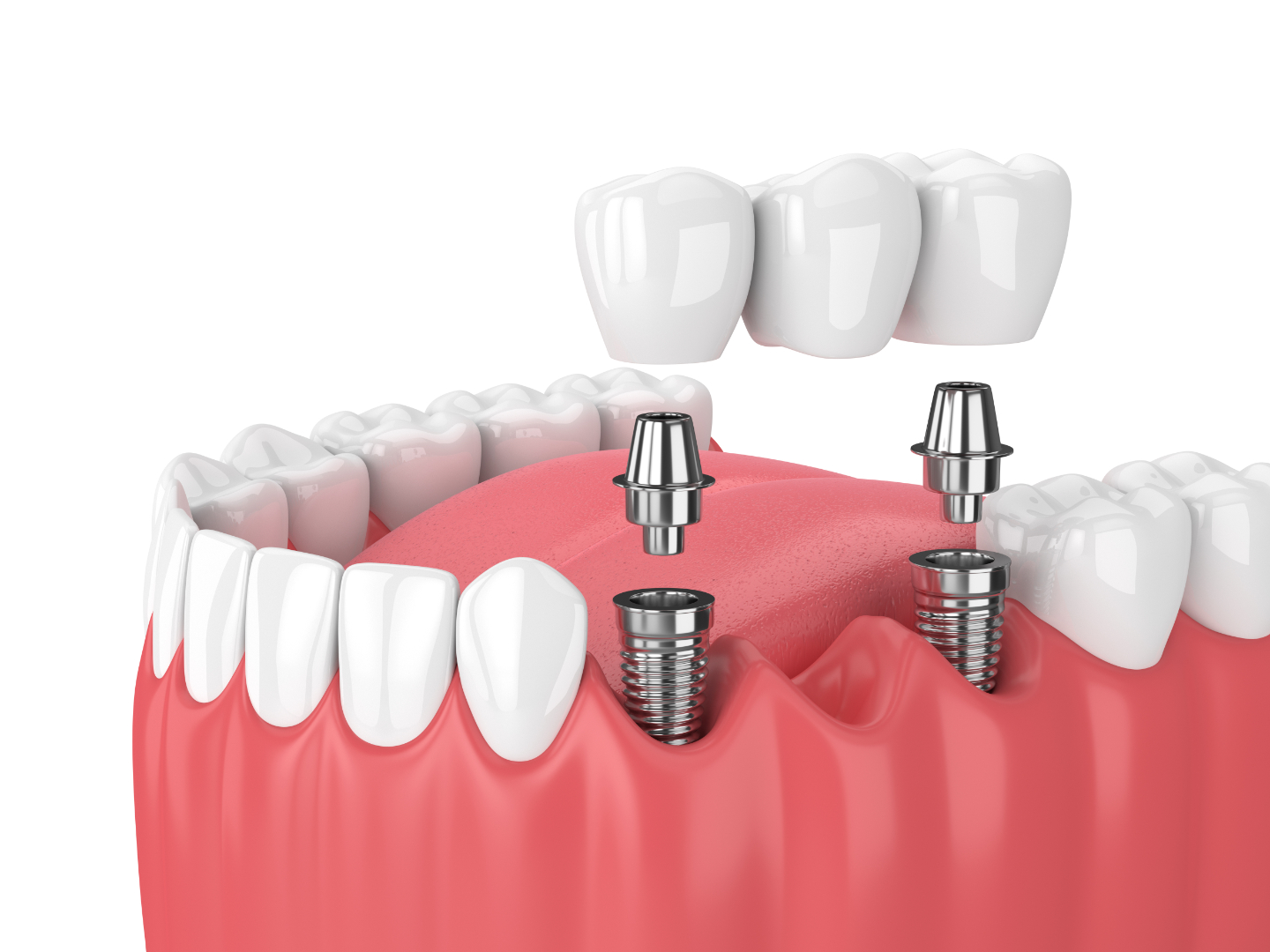
Dental implants consist of three main parts: a titanium post, an abutment, and a crown. The titanium post is surgically placed into the jawbone, where it fuses with the bone over several months—a process called osseointegration. This fusion provides a strong, stable foundation.
Once healed, the abutment connects the post to the crown, which is custom-made to match surrounding teeth. This setup mimics natural teeth in both function and appearance. Implants help maintain jawbone health by preventing bone loss that often follows tooth extraction.
Benefits Over Traditional Solutions
Compared to dentures or bridges, dental implants offer several advantages. They are fixed in place, eliminating slipping or clicking often experienced with dentures. Implants also preserve adjacent teeth by avoiding the need to grind them down, which is common with bridges.
Patients typically find implants more comfortable and stable, allowing them to eat and speak confidently. Implants last longer than most other options when cared for properly, making them a cost-effective choice over time. They also help maintain facial structure, preventing the sunken look caused by bone loss.
Are You a Candidate for Dental Implants?
Most healthy adults with sufficient jawbone volume qualify for dental implants. Candidates should have good oral hygiene and overall health but may need additional treatments like bone grafting if bone loss is present. Certain conditions, like uncontrolled diabetes or smoking, can affect healing and candidacy.
A thorough dental exam, including X-rays or 3D imaging, helps determine implant suitability. Dentists in Brownsville evaluate each patient individually, discussing factors like medical history and lifestyle. Those interested are encouraged to consult a dental professional to explore personalized options and plan next steps.
Dental Implant Process in Brownsville, TX
Getting a dental implant in Brownsville involves a few key steps designed to ensure the best fit, function, and healing for each patient. From the first visit through recovery, the process focuses on personalized care using modern technology.
Initial Consultation and Assessment
The process starts with a thorough consultation. The dentist reviews the patient’s dental history, performs an oral exam, and takes X-rays or 3D scans to evaluate bone density and structure. This step helps determine if the patient is a good candidate for implants and if any preparatory work, like bone grafting, is necessary.
Dental professionals discuss the patient’s goals, address concerns, and explain treatment options clearly. This helps build trust and ensures the patient feels comfortable moving ahead. A personalized treatment plan with estimated timelines and costs is created before the procedure begins.
Step-by-Step Procedure Overview
Dental implant surgery usually starts with placing a titanium post into the jawbone. This acts as the artificial tooth root. The procedure is often done under local anesthesia, making it pain-free. Once the post is in place, it needs time to fuse with the bone—a process called osseointegration.
After several months, an abutment is attached to the implant. This component connects the post to the new tooth, which could be a crown, bridge, or denture. The final step involves fitting and securing the custom-made prosthetic tooth to restore natural appearance and function.
Healing and Recovery Timeline
Healing begins immediately after surgery, but osseointegration takes 3 to 6 months. During this phase, patients should follow specific care instructions like avoiding hard foods and maintaining oral hygiene to prevent infection.
Swelling and mild discomfort are common in the first few days but usually subside with over-the-counter pain relief. Follow-up appointments check healing progress and allow for adjustments. Once fully healed, the restored tooth functions just like a natural one, providing lasting strength and comfort.
Choosing a Brownsville Dental Implant Specialist
Finding the right dental implant specialist means focusing on their experience, patient care approach, and communication skills. It’s important to understand what makes a provider trustworthy and how to prepare for your initial consultation to get the most from your visit.
Qualities to Look For
A qualified specialist should have specific training in implant dentistry, often demonstrated by certifications from recognized dental organizations. Experience matters—practitioners who perform implants frequently tend to have higher success rates.
Look for a provider who uses modern technology like 3D imaging or guided surgery. This technology improves accuracy and reduces discomfort. Patient comfort is key, so clinics that offer sedation options or personalized care plans are a plus.
Reviews and patient testimonials can reveal how the specialist manages pain, recovery, and follow-up care. Friendly staff and a clean, welcoming office environment also contribute to a positive experience.
Questions to Ask at Your Consultation
Start by asking about the specialist’s training and how many implant procedures they perform each year. This helps gauge their expertise and familiarity with potential complications.
Inquire about the type of implants used and why they choose specific brands or materials. Understanding the options helps set realistic expectations about durability and cost.
Ask about the entire treatment timeline—from initial consultation to healing and final restoration. Discuss pain management strategies and how they handle complications if they arise.
Finally, clarify insurance coverage, financing options, and what costs might not be included upfront. Knowing this prevents surprises and helps plan your treatment affordably.
Types of Dental Implants Available Locally
Dental implant options in Brownsville, TX, cater to different needs, whether replacing one tooth or an entire arch. Each type offers specific benefits in durability, appearance, and function tailored to patients’ oral health and lifestyle.
Single Tooth Implants
Single tooth implants are designed to replace one missing tooth without affecting surrounding teeth. The implant consists of a titanium post surgically placed in the jawbone, which acts like a natural tooth root.
After the implant integrates with the bone, a custom-made crown is attached. This crown looks and functions just like a natural tooth, restoring chewing ability and smile aesthetics. Single tooth implants prevent bone loss in the area and maintain adjacent teeth stability.
This option is ideal for patients who want a permanent solution without removing healthy teeth or wearing removable dentures. The process typically involves a few visits spread over several months to ensure proper healing.
Implant Bridges
Implant bridges replace multiple missing teeth by anchoring a dental bridge to two or more implants. Unlike traditional bridges that rely on natural teeth for support, implant bridges are fully supported by implants, offering better stability.
This option preserves jawbone structure while providing a natural bite and improved speech. Patients missing several consecutive teeth benefit from implant bridges as they restore chewing efficiency and appearance without filling gaps with removable appliances.
The procedure involves placing implants strategically in the jaw, then attaching the bridge after the implants have integrated. Recovery times vary depending on the number of implants placed and the patient’s overall health.
All-On-4 and Full Arch Solutions
All-On-4 and other full arch implant systems replace an entire row of teeth using just four to six implants. These implants support a fixed prosthesis that feels secure and natural, eliminating the need for dentures.
This approach offers a faster route to a full smile compared to placing individual implants for each missing tooth. It’s especially beneficial for patients with significant tooth loss or those who want to avoid removable dentures.
Many practices in Brownsville provide same-day placement and temporary teeth, helping patients eat and smile confidently immediately after surgery. Full arch solutions also help maintain facial structure by preventing bone loss common with missing teeth.
Life After Dental Implants
Adjusting to dental implants involves a few key habits to maintain their health and appearance. Patients can expect improvements in daily comfort and function, but some long-term care is necessary to ensure lasting success.
Caring for Your New Smile
Dental implants require regular cleaning, just like natural teeth. Brushing twice daily with a soft-bristle toothbrush and non-abrasive toothpaste helps remove plaque buildup around the implant.
Flossing gently around the implant area is crucial to prevent gum disease, which can threaten implant stability. Using interdental brushes or water flossers can make this easier.
Routine dental check-ups every six months allow professionals to monitor implant health and address issues early. Avoiding hard foods that can damage implants or crowns will also extend their lifespan.
What to Expect Long-Term
With proper care, implants can function well for decades. Most patients experience improved chewing ability and better speech compared to dentures.
Some slight gum recession around the implant may occur over time, but it typically does not affect implant stability. Rarely, implants might loosen or fail due to infection or trauma; early intervention is key.
Patients should maintain healthy lifestyle habits, such as avoiding smoking, which can increase the risk of implant complications. Staying informed about any changes in comfort or appearance helps catch problems before they worsen.
Cost and Financing Options for Dental Implants
The price of dental implants in Brownsville, TX varies based on several factors, including the type of implant and additional treatments needed. Financing options and insurance coverage can also influence how affordable the procedure becomes.
Understanding Pricing in Brownsville
Dental implant costs in Brownsville typically range from $1,500 to $3,000 per implant. This price usually includes the implant post, abutment, and crown. However, extra procedures like bone grafts or sinus lifts can add $200 to $1,000 or more.
Prices depend on the clinic’s experience, materials used, and technology. Local competition often helps keep prices competitive without sacrificing quality. Patients should ask for a detailed quote that breaks down each step to avoid surprises.
Many dental offices offer free consultations to discuss the estimated cost. This helps patients understand what they are paying for and plan accordingly.
Insurance and Payment Plans
Most dental insurance plans in Brownsville do not fully cover implants but may partly pay for related procedures like extractions or X-rays. It’s important to check specifics with the insurance provider before beginning treatment.
Many offices provide flexible payment plans to ease the financial burden. These might include low-interest financing, monthly installments, or third-party lenders like CareCredit.
Discussing payment options upfront allows patients to choose a plan that fits their budget. Some dentists even offer discounts for paying in full or during special promotions.
Frequently Encountered Concerns and Solutions
Many patients worry about pain and anxiety when considering dental implants. Understanding how these concerns are managed can help ease their minds and improve the overall experience.
Comfort and Minimizing Discomfort
Dental implants involve surgery, but modern techniques focus heavily on patient comfort. Local anesthesia and sedation options help numb the area and reduce pain during the procedure.
After surgery, some soreness and swelling are normal. Dentists in Brownsville often recommend over-the-counter pain relievers and cold compresses to manage this. Healing times vary, but discomfort typically decreases within a week.
Follow-up care includes clear instructions on oral hygiene and diet to prevent irritation. Using soft foods and avoiding smoking can speed recovery. Most patients find implant pain much less intense than they expected.
Addressing Dental Anxiety
Dental anxiety is common and can prevent patients from seeking care. Clinics in Brownsville offer gentle communication and calming techniques to create a relaxed environment.
Options like sedation dentistry or nitrous oxide (“laughing gas”) help patients feel calm during the procedure. Staff often take time to explain each step, answering questions to reduce fear.
Building trust is key. Many dentists encourage visits before treatment to familiarize patients with the office and staff. This approach helps nervous patients feel safe and supported throughout their implant journey.
Why Dental Implants Are a Trusted Choice in the Brownsville Community
Dental implants have become a reliable solution for many in Brownsville because they combine durability with natural appearance. People appreciate how implants restore both function and confidence without disrupting daily life. The community’s positive experiences reflect the quality of care and successful outcomes offered by local dentists.
Patient Testimonials
Patients often highlight the comfort and ease of the dental implant process in Brownsville. Many say the procedure is less painful than expected and appreciate the personalized attention from their dentists. One patient mentioned, “I was nervous at first, but the team explained everything clearly and made me feel at ease.”
Several testimonials focus on the long-term benefits. People report improved chewing ability and a return to eating favorite foods without discomfort. Many also remark on how implants look and feel like real teeth, which helps with self-confidence. The trust in local practices grows as word spreads about these positive experiences.
Local Success Stories
Brownsville dental offices have shared numerous success stories showcasing patient transformations. For example, a middle-aged man regained his smile after several failed attempts with dentures, explaining how implants gave him newfound freedom. Another story involves a woman who chose implants over bridges and now enjoys easy maintenance and durability years later.
These stories are supported by skilled dentists using modern techniques and materials. The community benefits from ongoing advances in implant technology, ensuring treatments are safer and more effective. Such examples encourage others to consider implants as a reliable, lasting option for tooth replacement.
Next Steps: Scheduling Your Consultation
Scheduling a consultation is the first step toward restoring your smile with dental implants in Brownsville, TX. During this visit, the dentist will assess your oral health and discuss your unique needs.
The consultation typically includes:
| What to Expect | Details |
|---|---|
| Oral Exam | Comprehensive check of teeth and gums |
| X-Rays or Scans | Imaging to evaluate bone structure |
| Treatment Discussion | Options tailored to your situation |
| Questions & Concerns | Time to address any doubts or worries |
Patients often feel more comfortable knowing what to expect before the procedure. The dental team will explain the process clearly and outline the timeline.
It’s helpful to bring a list of questions or concerns to make the most of your appointment. This ensures a thorough understanding of implant care and maintenance.
Many local dental offices offer flexible scheduling, including evenings or weekends. This makes it easier to find a time that fits your routine without stress.
Encourage the patient to reach out by phone or online to book their consultation. Taking this step opens the door to improved oral health and renewed confidence.
Frequently Asked Questions
Many patients want to know if their health conditions affect implant success, how long the full process takes, and what to expect during recovery. Questions about appearance, bite function, bone health, and cost are also common.
Am I a good candidate for implants if I have gum disease, diabetes, or an autoimmune condition?
Patients with controlled diabetes or mild autoimmune conditions can often safely receive implants. Active gum disease needs treatment first to improve implant success chances.
A thorough health evaluation helps dentists decide if implants are appropriate and develop a tailored plan.
How long does the implant process take from consultation to having a final tooth you can chew with?
The entire implant process usually takes 3 to 6 months. This includes initial consultation, implant placement, healing time, and finally attaching the crown.
Factors like bone health and whether bone grafting is needed can extend the timeline.
Do implants feel and look like natural teeth, and will they help improve my bite?
Implants are designed to look and function like natural teeth. They restore bite strength, allowing normal chewing without slipping or discomfort.
Most patients report a comfortable, natural feeling once healing is complete.
What are my options if I don’t have enough bone—do I need a bone graft or a sinus lift?
If there isn’t enough bone, procedures like bone grafting or sinus lifts can build up the area. This creates a stable foundation for the implant.
Your dentist will assess bone volume with scans before recommending the best approach.
What should I expect during recovery, and how can I keep discomfort to a minimum?
Mild swelling and soreness are normal after implant surgery and typically ease within a few days. Taking prescribed pain medication and using ice packs can help.
Eating soft foods, avoiding smoking, and maintaining oral hygiene support smooth healing.
How much do implants typically cost, and are there budget-friendly or financing options available locally?
In Brownsville, implant costs vary but generally range between $3,000 and $5,000 per tooth. Many dental offices offer payment plans or financing to make treatment affordable.
Insurance may cover parts of the procedure depending on the plan and reason for the implant.