
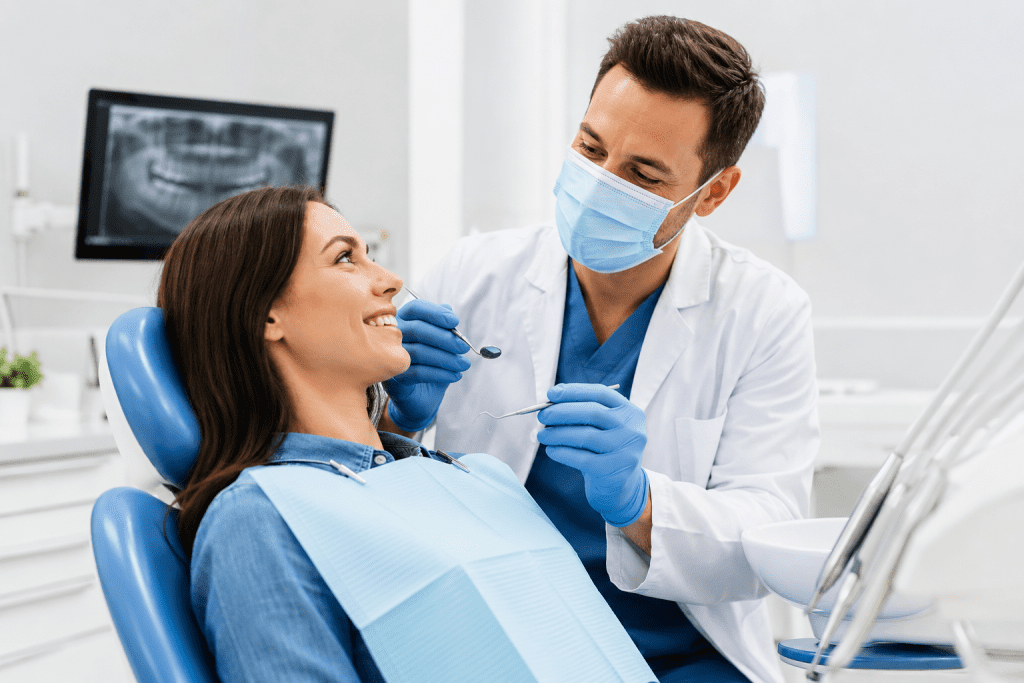
When a tooth suddenly cracks or unbearable pain wakes you at night, acting fast can prevent worse damage and lessen discomfort. You can get urgent, effective dental care in Brownsville, TX that stops pain and protects your smile — often the same day.
This post explains how to recognize true dental emergencies, what immediate steps to take for pain or injury, and how to find prompt, comfort-focused treatment nearby. Expect clear guidance on costs, insurance basics, and simple prevention tips so you feel prepared if an emergency strikes.
Recognizing Dental Emergencies
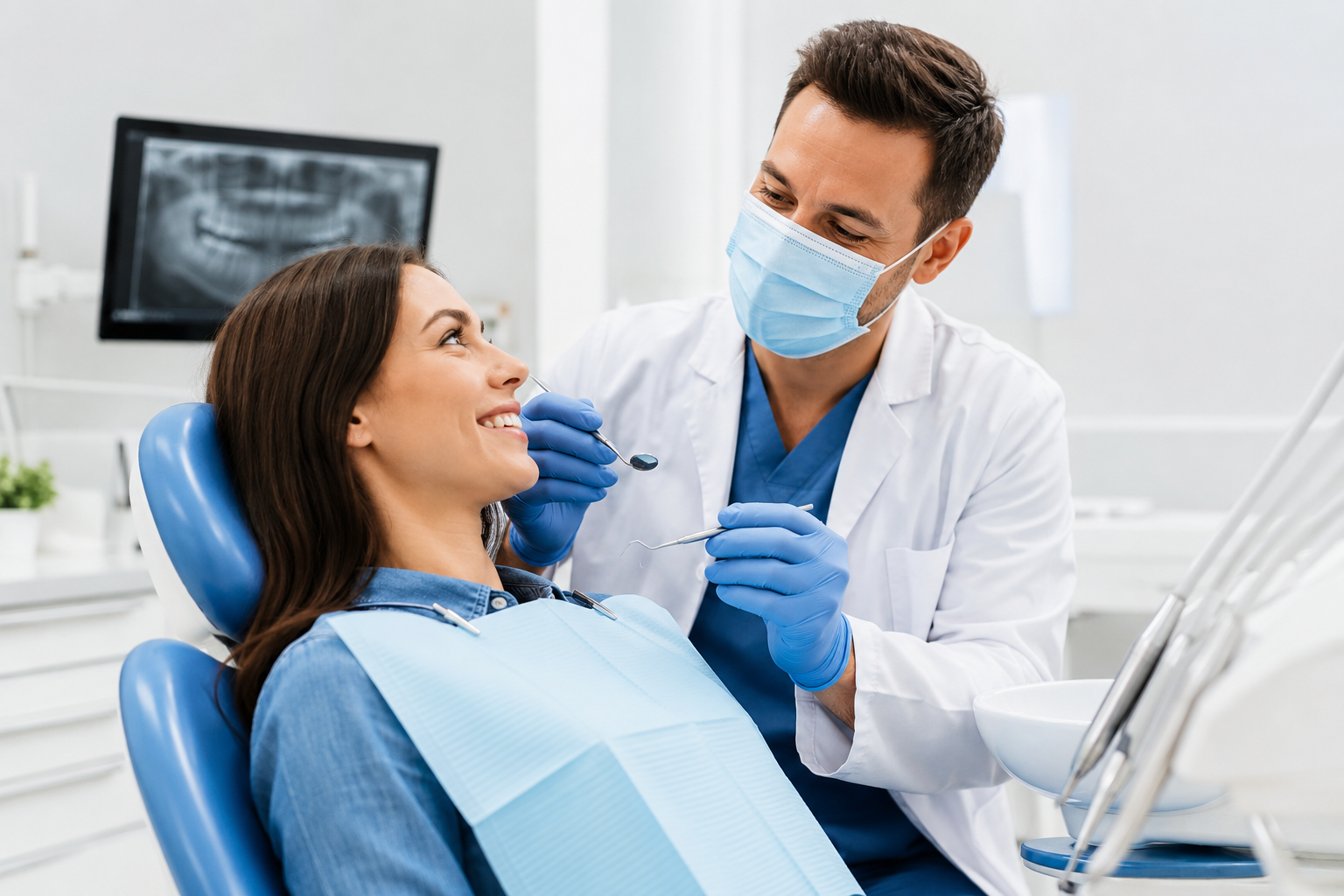
This section explains how to spot urgent dental problems, common emergency types, and immediate steps to take to protect teeth and oral health. It covers clear signs, typical scenarios like avulsed or infected teeth, and practical first-aid actions to stabilize the situation before the dentist visit.
Signs You Need Urgent Dental Care
Severe pain that’s constant and wakes the person at night often signals an infection or severe pulp inflammation. If pain is accompanied by facial swelling, fever, or trouble breathing or swallowing, seek immediate care—those symptoms can indicate a spreading infection.
Uncontrolled bleeding after trauma or extraction requires prompt attention to stop blood loss. A tooth knocked completely out (avulsed) or partially dislodged needs urgent care within an hour for the best chance of saving it. Broken teeth with sharp edges that cut the tongue or cheek also qualify as urgent because of bleeding and infection risk.
Sudden loose teeth in an adult, persistent bad taste or foul-smelling drainage, and inability to open the mouth fully are additional red flags. If any of these appear after an accident, sports injury, or as a rapid change in oral health, treat them as emergencies.
Common Types of Dental Emergencies
Tooth extractions that were complicated or leftover dry sockets cause severe pain and delayed healing; these require prompt follow-up. Dental abscesses form as localized pus pockets at the root or gum; they cause throbbing pain, swelling, and sometimes fever, and they need drainage plus antibiotics and definitive treatment.
Traumatic injuries include avulsed teeth, cracked or fractured crowns, and root fractures from falls or collisions. Avulsed teeth have the best prognosis if replanted within 30–60 minutes; store the tooth in milk or saline and avoid touching the root. Cracked teeth may only need bonding or crowns, but vertical root fractures often require extraction.
Lost fillings or crowns expose dentin and can cause sharp sensitivity and pain when eating. Temporarily protect exposed areas with dental cement from a pharmacy and see a dentist within 24–48 hours. Chronic severe toothaches that wake the patient or resist over-the-counter medications suggest deep infection or pulp necrosis.
What To Do Before Reaching the Dentist
Control bleeding by applying firm, direct pressure with sterile gauze or a clean cloth for 10–20 minutes. If bleeding persists after 30 minutes or is heavy, go to an emergency room for evaluation of vascular injury or clotting problems.
For avulsed teeth, hold the tooth by the crown (not the root), rinse briefly with saline or milk if dirty, and reinsert if possible; otherwise store it in cold milk or Hank’s Balanced Salt Solution and get to the dentist immediately. Avoid scrubbing the root or using soap.
Manage pain and swelling with over-the-counter ibuprofen (unless contraindicated) and cold packs applied to the face in 10-minute intervals. For abscesses, do not attempt to lance the area at home; rinse gently with warm salt water and seek antibiotics from a dentist. Keep all knocked-out fragments and bring them to the appointment.
Immediate Steps for Dental Pain and Injury
Quick, practical actions can reduce pain, limit damage, and improve the chance of saving a tooth. Follow specific first-aid steps, gather any fragments, and contact an emergency dental office in Brownsville, TX as soon as possible.
Managing Toothaches at Home
They should rinse the mouth with warm water and gently floss around the painful tooth to remove trapped debris. Use a cold compress on the cheek for 10–20 minutes to reduce swelling and numb pain; repeat every hour as needed.
For pain relief, take over-the-counter ibuprofen or acetaminophen per package directions unless contraindicated; avoid placing aspirin directly on the gum or tooth. If sensitivity to hot or cold follows a recent dental work or trauma, keep extremes of temperature out of the mouth and call the dentist for an evaluation.
If there’s visible swelling, fever, or spreading redness, that may indicate an infection; seek emergency dental care promptly. Bring a list of current medications and recent dental treatments when contacting the office.
Handling Knocked-Out or Broken Teeth
If a permanent tooth is knocked out, pick it up by the crown only — avoid the root — and rinse briefly with plain water if dirty. Try to reinsert the tooth into the socket immediately; if reinsertion isn’t possible, place the tooth in milk or Hank’s Balanced Salt Solution and seek emergency care within 30–60 minutes for the best chance of saving it.
For a cracked or fractured tooth, rinse with warm water and apply a cold compress to control swelling. Save any broken pieces and bring them to the dentist; they may be bonded back or used to guide restoration.
Avoid biting or chewing on the injured side. If bleeding persists, apply firm pressure with clean gauze for 10–15 minutes and go to an emergency dental clinic if bleeding won’t stop.
Coping With Mouth Injuries
For soft-tissue cuts to the lips, tongue, or cheeks, rinse with saline and apply firm pressure with sterile gauze to control bleeding. Small cuts often stop bleeding within 10–15 minutes; persistent bleeding, deep lacerations, or tissue hanging loose require immediate professional repair.
Watch for signs of infection over the next 48–72 hours: increasing pain, swelling, pus, or fever should prompt urgent contact with a dentist. If facial trauma involves jaw misalignment, difficulty breathing, or tooth mobility, go to the emergency dental office or ER for imaging and stabilization.
Keep a small first-aid kit with sterile gauze, saline, and a container for tooth storage in case of emergencies. Call an emergency dentist in Brownsville, TX for guidance on next steps and to arrange prompt treatment.
Finding Prompt Dental Care in Brownsville
Residents should know where to go, how to assess a clinic quickly, and what to expect after hours to get effective relief. This section explains practical steps for choosing an emergency dentist and how to reach care during nights and weekends.
How to Choose the Right Emergency Dental Provider
Look for a dentist who lists clear emergency services on their website and provides same-day appointments or walk-ins. Verify credentials: confirm DDS/DMD, check state board standing, and read recent patient reviews on Google or Healthgrades for response time and bedside manner.
Prioritize clinics with on-site X‑ray and digital imaging to speed diagnosis. Ask if the office offers local anesthesia, nitrous oxide, or IV sedation for severe pain or anxiety. Confirm billing practices: whether they file insurance, accept major plans, and offer clear cost estimates for common emergencies like tooth fracture or abscess.
Call the office before arriving and note how quickly staff answer, whether they triage by phone, and if the dentist will see you that day. Keep a concise list in your phone: clinic name, address, emergency number, accepted insurances, and office hours.
After-Hours and Weekend Service Options
Identify clinics that explicitly advertise after-hours emergency slots, urgent care dental centers, or a 24/7 on-call dentist. Brownsville has several practices that rotate on-call coverage; confirm current on-call provider through clinic phone lines or local hospital referral desks.
If a dental clinic is closed, check whether nearby hospitals or ERs have dental liaisons who can manage severe infection or uncontrolled bleeding until a dentist is available. Use tele-dentistry options for initial triage: many practices offer video consults to assess swelling, bleeding, or visible fractures and advise immediate steps.
Prepare an emergency kit: OTC pain relievers, cold packs, dental wax, and the clinic’s after-hours contact. Keep medical insurance and dental policy numbers accessible to speed authorization and reduce delays when treatment is urgent.
Comfort-Focused Emergency Treatments
Emergency care in Brownsville prioritizes fast pain control and conservative fixes that protect remaining tooth structure while easing anxiety. Treatments combine targeted anesthesia, short-term protective restorations, and modern materials to restore function quickly and comfortably.
Pain Relief Solutions
They assess pain source immediately, using diagnostic X-rays and percussion tests to pinpoint infected, cracked, or exposed nerves. For severe, acute pain from infection, they prescribe local anesthesia (articaine or lidocaine) and may deliver a single-dose intraoral injection to stop pain within minutes.
When infection is present, they often start antibiotics such as amoxicillin or clindamycin alongside analgesics like ibuprofen and acetaminophen for inflammation and fever control. For toothache due to pulpal inflammation, they may perform a pulpotomy or temporary pulpal dressing to relieve pressure until definitive root canal therapy can be scheduled.
For anxious patients, they offer nitrous oxide or oral sedation to reduce discomfort and movement during procedures. They also provide clear aftercare: how to take prescribed meds, signs of worsening infection, and when to return if pain reappears.
Modern Restorative Techniques
They use bonded composite fillings and resin-reinforced glass ionomer as quick, strong temporary restorations that seal cracks and prevent bacterial ingress. These materials restore chewing surfaces same-day and preserve tooth tissue for future permanent crowns or onlays.
When a fracture or decay threatens the pulp, they can perform an emergency root canal and place a temporary crown or a preformed stainless-steel crown (for posterior teeth) to protect the tooth. For missing tooth structure after trauma, they offer bonded composite build-ups or quick-made provisional crowns to maintain occlusion and esthetics until lab-made restorations are ready.
They explain options with cost estimates and timelines, and schedule follow-up for definitive care like ceramic crowns, endodontic retreatment, or dental implants as needed. Patients receive written post-treatment instructions and a phone number for after-hours concerns to ensure comfort during recovery.
Cost and Insurance for Urgent Dental Visits
Emergency dental costs vary by treatment and clinic; patients should expect higher fees for after-hours care, surgical procedures, and restorative work. Many clinics offer payment plans, and insurance coverage often depends on whether the visit is labeled “urgent” or “emergency.”
Understanding Payment Options
Most Brownsville clinics accept cash, credit/debit cards, and major payment apps. Typical urgent visit fees: examination $50–$150, emergency extraction $150–$600, root canal $600–$1,200, and crowns $800–$1,500. After-hours or weekend visits can add a $50–$200 surcharge.
Many practices provide in-house financing or partner with third-party medical credit companies (e.g., CareCredit). Patients should ask about interest-free promotional plans and the total repayment cost. Clinics often require a deposit for procedures scheduled during an emergency visit. Some offer sliding-scale fees for low-income patients; callers should request a cost estimate before treatment.
Working With Dental Insurance
Insurance typically covers emergency exams and a portion of urgent procedures, but coverage varies by plan. Preventive services usually have higher coverage than restorative or surgical services, and deductibles or annual maximums may apply. Patients should verify emergency benefits, out-of-network policies, and preauthorization requirements.
When insured, bring the policy card and photo ID; clinics will file claims for most major insurers. If the clinic is out-of-network, patients can pay upfront and submit for reimbursement. Keep itemized receipts and procedure codes (CDT codes) to streamline claims and appeals if coverage is denied.
Preventing Dental Emergencies
Simple daily habits and practical protective steps greatly reduce the chance of sudden tooth pain, broken teeth, or knocked-out teeth. Focus on consistent home care, prompt treatment of small problems, and using protective gear during risky activities.
Tips for Daily Dental Care
He or she should brush twice daily with a soft-bristled brush and fluoride toothpaste, spending two minutes each time to remove plaque effectively. Floss once daily to clean between teeth where a toothbrush can’t reach; interdental brushes work well for wider gaps.
Use a mouthwash with fluoride or anti-cavity ingredients if recommended by a dentist to strengthen enamel and reduce bacteria. Replace the toothbrush every three months or sooner if bristles splay; worn brushes clean poorly and increase risk of decay.
Avoid chewing ice, hard candy, or non-food items (pens, bottle caps) that can chip or fracture teeth. Limit sugary drinks and sip water after acidic beverages to reduce enamel erosion. Schedule regular checkups every six months or as advised to catch small issues before they become emergencies.
Protecting Against Sports and Accidents
They should wear a properly fitted mouthguard for contact sports such as football, soccer, basketball, martial arts, and aggressive skateboarding. Custom-fit mouthguards from a dentist offer the best protection and comfort; boil-and-bite guards are an acceptable lower-cost option.
Use seat belts and appropriate helmets during biking, skateboarding, or motorcycling to reduce facial trauma risk. Remove or file sharp dental work (rough edges, protruding wires) and fix loose crowns or bridges promptly to avoid displacement during an impact.
If a tooth is knocked out, keep it moist—place it back in the socket if possible or store it in milk or a tooth-preservation kit and see an emergency dentist within one hour for the best chance of reimplantation. For fractured teeth, use cold compresses to limit swelling and contact emergency care immediately.
Your Next Steps Toward Relief
If pain or swelling starts, they should call an emergency dental office in Brownsville, TX immediately. Many practices offer same-day slots and after-hours lines to get patients seen quickly.
While waiting for the appointment, they can rinse gently with warm salt water and apply a cold pack to reduce swelling. Avoid chewing on the injured side and do not attempt to force a damaged tooth back into place.
They should gather key information before arriving: insurance details, a list of current medications, and a brief description of how and when symptoms began. Bringing a photo of the injured area or a piece of a fractured tooth can help the clinician assess the situation faster.
If they experience severe bleeding, difficulty breathing, or signs of a spreading infection (fever, increasing redness), they must seek immediate medical attention or go to the ER. These symptoms can indicate complications that require urgent medical care beyond dental treatment.
Many emergency dentists in Brownsville provide payment options and can explain costs ahead of treatment. Patients should ask about sedation choices, expected procedures, and follow-up care so they feel comfortable with the plan.
Encourage them to schedule a follow-up with their regular dentist after emergency treatment to restore long-term function and prevent recurrence. Call or message the chosen clinic to confirm availability and next steps.
Frequently Asked Questions
This section explains when a dental problem needs immediate care, safe home measures to ease pain, and what to do for knocked-out teeth, lost restorations, and abscesses. It also describes what a patient can expect during an urgent visit and which treatments relieve pain quickly.
What counts as a dental emergency, and when should I go in right away versus wait until morning?
A true emergency includes uncontrolled bleeding, severe pain that prevents sleep, swelling that affects breathing or swallowing, and a tooth knocked out. These situations require same-day care.
Moderate pain, a small chip without sharp edges, or a lost temporary filling can usually wait until the next available appointment. Call the office for guidance; staff can triage by phone and arrange after-hours care if needed.
How can I relieve tooth pain at home safely until I’m able to be seen?
Rinse with warm salt water every few hours to reduce bacteria and soothe tissues. Use over-the-counter pain relievers like ibuprofen or acetaminophen at recommended doses; avoid aspirin directly on gums.
Apply a cold pack to the cheek in 10–15 minute intervals to reduce swelling and numb pain. Do not place topical numbing creams inside the mouth unless directed by a dentist.
What should I do if my tooth gets knocked out, and how quickly does it need treatment?
Handle the tooth by the crown only; avoid touching the root. If possible, gently rinse debris with plain water and reinsert the tooth into the socket, then hold it in place or bite on gauze.
If reinsertion isn’t possible, keep the tooth moist by placing it in milk or a tooth-preservation solution and get to a dentist within 30–60 minutes for the best chance of saving the tooth. Survival drops significantly after an hour.
If a filling, crown, or bridge falls out, what steps can I take to protect the tooth in the meantime?
Save the restoration and bring it to the appointment. Clean the tooth gently, avoid sticky or hard foods, and use dental wax or sugar-free gum to cover sharp edges.
Over-the-counter temporary dental cement can protect the area short-term; follow package directions. Schedule a prompt repair to prevent decay or further damage.
How are dental abscesses treated, and what warning signs mean the infection could be serious?
Dentists treat abscesses by draining the infection, prescribing antibiotics when needed, and performing root canal therapy or extraction depending on the tooth’s condition. Pain relief and follow-up care are part of the plan.
Seek immediate care if swelling spreads to the face/neck, breathing or swallowing becomes difficult, or fever and severe fatigue develop. Those signs suggest the infection may be spreading and can become life‑threatening.
What can I expect during an urgent dental visit, and what treatment options can help me feel comfortable?
The clinician will take a focused history, examine the mouth, and often take X-rays to identify the problem. Treatments may include pain management, antibiotics, drainage of infections, temporary or definitive restorations, root canal therapy, or extraction.
Dentists use local anesthesia, sedation options if indicated, and modern techniques to minimize discomfort. Staff will explain next steps, home care, and timing for follow-up to restore function and comfort.
For any urgent concern, contact the local Brownsville emergency dental office to confirm availability, ask about insurance or payment options, and arrange the earliest appointment.