
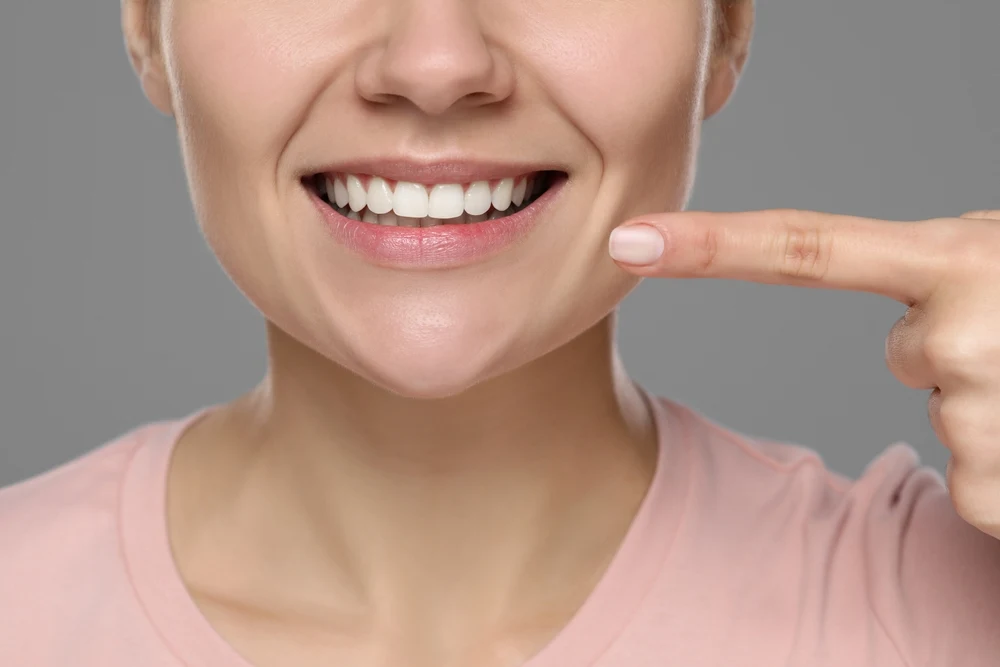
When deciding between veneers and crowns, many wonder which option best suits their dental needs. Veneers primarily improve the appearance of teeth by covering the front surface, while crowns provide full coverage and stronger protection for damaged or weakened teeth. Understanding these differences helps patients make informed choices about their smile and oral health.
Veneers are thin shells that enhance the look of teeth with minimal removal of natural enamel. Crowns, on the other hand, cover the entire tooth and are often recommended when a tooth needs more support or repair after damage or decay.
Choosing the right treatment depends on the condition of the tooth and the desired outcome. A dental professional can help guide patients toward the most comfortable and effective option for their smile.
What Are Dental Veneers?
Dental veneers are thin shells designed to cover the front surface of teeth, improving their appearance. They primarily enhance color, shape, size, or length and offer a minimally invasive cosmetic solution. The materials used, the way they are applied, and how long they last all factor into deciding if veneers suit a patient’s needs.
Materials and Types
Most dental veneers are made from either porcelain or composite resin. Porcelain veneers are popular because they look natural and resist stains well. They mimic the light-reflecting properties of natural teeth and tend to last longer than composites.
Composite resin veneers are less expensive and quicker to apply but can wear down or stain more easily. They are often used for minor repairs or temporary fixes.
Veneers may come as traditional veneers, requiring some enamel removal, or no-prep veneers, which preserve more tooth structure. Each type fits different needs and treatment goals.
Application Process
Applying veneers usually involves a few steps over two visits. First, the dentist examines the teeth and plans the treatment, sometimes taking X-rays and impressions.
Next, for traditional veneers, a small amount of enamel—roughly 0.3 to 0.7 millimeters—is removed to make space. Then, impressions are sent to a lab where custom veneers are crafted.
At the final appointment, the veneers are bonded to the teeth using dental cement. The dentist ensures proper fit and bite, then cures the cement with a special light. Composite veneers might be sculpted directly on the tooth during one visit.
Longevity and Care
Porcelain veneers usually last between 10 to 15 years, with proper care. Composite ones may last about 5 to 7 years. Regular dental check-ups help catch any problems early.
Good oral hygiene is essential: brush twice a day, floss daily, and avoid biting hard objects. Although veneers resist staining, limiting coffee, tea, and tobacco can extend their brightness.
It’s normal to experience mild tooth sensitivity right after placement, but this typically fades. If a veneer cracks or chips, a dental professional should be consulted promptly for repair options.
Understanding Dental Crowns
Dental crowns are protective caps that restore damaged teeth by covering them completely. They come in different materials and designs tailored to specific dental needs. The process to place a crown involves careful preparation to ensure a comfortable fit and lasting strength.
When Crowns Are Needed
Crowns are typically recommended for teeth that have been severely weakened by decay, large fillings, or fractures. They help protect the tooth from further damage and restore its shape and function.
Patients who have had root canal therapy often need crowns to reinforce the treated tooth. Crowns are also used to improve the appearance of misshaped or discolored teeth when other cosmetic options are insufficient.
In cases of dental implants, crowns serve as the visible tooth replacement attached to the implant post. Overall, crowns provide strength and durability for teeth facing significant wear or structural issues.
Varieties of Crowns
There are several types of crowns, each with specific benefits:
- Porcelain-fused-to-metal (PFM): Offers strength from metal and a natural look from porcelain.
- All-ceramic or all-porcelain: Best for front teeth due to excellent aesthetics and biocompatibility.
- Gold crowns: Very durable, ideal for back teeth where chewing forces are greatest.
- Zirconia crowns: Strong and natural-looking with high resistance to chipping.
Choosing the right crown depends on location in the mouth, aesthetic needs, and budget.
How Crowns Are Placed
Placing a crown usually requires two visits to the dentist. During the first, the tooth is reshaped by removing a small amount of enamel to make room for the crown.
Next, a detailed impression is taken to create a custom-fit crown. A temporary crown protects the tooth while the permanent one is fabricated in a dental lab.
At the second visit, the temporary crown is removed, and the permanent crown is checked for fit, color, and bite. Once everything is confirmed, the crown is cemented into place. This process ensures comfort and long-term success of the restoration.
Key Differences Between Veneers and Crowns
Veneers and crowns both improve the look and function of teeth, but they differ in how much tooth structure they affect, the areas they cover, their appearance, and their cost. Understanding these differences helps patients and dentists choose the right option based on individual dental needs.
Tooth Preparation
Veneers require less removal of the natural tooth. Only a thin layer of enamel—about 0.5 millimeters—is shaved off the front surface. This preserves most of the tooth’s structure. Because veneers focus mainly on the tooth’s visible front, the procedure is usually less invasive.
Crowns demand more extensive preparation. The dentist reduces the entire tooth, trimming it all around by roughly 1 to 2 millimeters, depending on the material used. This allows the crown to fit over the whole tooth like a cap. This wider reshaping is necessary to accommodate the crown’s coverage and strength.
Coverage and Protection
Veneers cover only the front and sometimes the sides of teeth. They do not protect the back surface or the biting edges fully, so veneers are best for teeth with cosmetic concerns but no major damage.
Crowns encase the entire visible portion of the tooth above the gum line. This full coverage provides added strength and protection, making crowns suitable for teeth that are cracked, weakened, or heavily filled. The crown reinforces the tooth against further damage.
Aesthetic Impact
Veneers excel in improving the appearance of teeth. They offer a highly natural look because they are custom-made to mimic enamel’s translucency and color. Veneers can correct discoloration, gaps, chips, and minor misalignments.
Crowns also restore aesthetics, but they are often slightly thicker and can appear bulkier. Modern materials like porcelain or zirconia have improved their look dramatically. Crowns work well when a tooth’s shape or size needs more correction beyond surface appearance.
Cost Considerations
Veneers usually cost less than crowns since they involve less tooth alteration and simpler lab work. However, prices vary by location and the material used. Patients typically pay between $800 and $2,500 per tooth for veneers.
Crowns generally cost more because they cover the entire tooth and involve more complex fabrication. Costs range approximately from $1,000 to $3,000 per tooth. Insurance may cover some crowns if deemed medically necessary, while veneers are often considered cosmetic and less likely to be covered.
Suitability for Specific Dental Issues
Choosing between veneers and crowns depends largely on the exact dental problem being treated. Both options have distinct strengths suited to different situations, from restoring small chips to addressing more serious damage or discoloration.
Chipped or Broken Teeth
For minor chips and small cracks, veneers often provide an ideal solution. They cover the front surface of the tooth, restoring its appearance with minimal removal of natural enamel. This makes veneers a more conservative choice when structural damage is limited.
Crowns, on the other hand, are preferable for teeth that are significantly broken or weakened. They encase the entire tooth, offering strong protection and support. When a tooth’s integrity is compromised beyond surface damage, crowns reduce the risk of further fractures and decay.
Severe Discoloration
Veneers are a popular choice for disguising severe discoloration that doesn’t respond to bleaching. Their thin, porcelain shells mask stains while mimicking natural tooth translucency and color. This approach maintains a natural look without altering the tooth’s core.
Crowns can also cover discoloration effectively but may require more tooth preparation. They are often used when staining coincides with other issues like decay or structural damage, combining cosmetic and restorative benefits in one treatment.
Tooth Decay and Structural Weakness
When decay has penetrated deeply or the tooth has weakened due to large fillings or root canals, crowns are typically recommended. Their full coverage strengthens the weakened tooth and seals it from further damage.
Veneers are not suited for teeth with extensive decay or significant structural issues. They do not provide the same level of reinforcement, so they are reserved for teeth that are sound beneath the surface aside from aesthetic concerns.
If someone is unsure which option fits their situation, a dental professional can evaluate their tooth’s condition and recommend the best course.
Patient Experience and Comfort
Choosing between veneers and crowns involves considering how the treatment feels from start to finish. Both procedures require preparation and aftercare, but the processes and recovery can differ notably.
What to Expect During Treatment
For veneers, the dentist typically removes a thin layer of enamel—about 0.5 millimeters—to make space for the new surface. This process is usually painless and may be completed in one or two visits. Impressions are taken to create custom veneers that fit perfectly over the teeth.
Crowns usually require more tooth reduction. The dentist removes a larger portion of the tooth, sometimes including damaged areas. This preparation is more invasive and takes a bit longer. A temporary crown is placed while the permanent one is made, which can take about two weeks.
Pain Management
Both treatments are performed under local anesthesia to minimize discomfort during tooth preparation. Patients might feel pressure but should not experience sharp pain.
After veneers or crowns are placed, mild sensitivity or soreness around the gums is common. Over-the-counter pain relievers such as ibuprofen are usually sufficient. If pain worsens or persists beyond a few days, the dentist should be contacted.
Recovery Timeline
Most patients return to normal activities immediately after their visit. Sensitivity to hot and cold may last from a few days up to a week, especially with crowns, due to more extensive tooth work.
Veneers usually have a quicker recovery since less enamel is removed. Crowns might require extra care to avoid dislodging the temporary restoration before the permanent crown is cemented.
Proper oral hygiene and avoiding very hard or sticky foods during this period support healing and long-term comfort.
Maintaining Your New Smile
Keeping veneers or crowns in good shape involves consistent care and mindful habits. Paying attention to daily cleaning, avoiding damaging foods and behaviors, and knowing when to visit the dentist helps preserve your investment and your confidence.
Daily Oral Hygiene Tips
Brushing twice a day with a soft-bristled toothbrush protects veneers and crowns from plaque buildup. Use non-abrasive toothpaste to prevent surface scratches that can dull their shine.
Floss daily, gently sliding between teeth to remove trapped food and prevent gum inflammation. Special floss threaders may be useful if the restorations sit closely together.
Rinsing with an antibacterial mouthwash can reduce bacteria, supporting gum health around the restoration. Regular dental cleanings ensure any hard-to-reach areas stay clean and free from tartar buildup.
Foods and Habits to Avoid
Avoid biting hard objects like ice, pens, or fingernails that can chip or crack veneers and crowns.
Limit sticky or overly chewy foods, such as caramel or taffy, as they can loosen crowns over time. Similarly, reduce consumption of staining substances like coffee, red wine, and tobacco to maintain color consistency.
Refrain from using teeth as tools to open packages or crack nuts, as this stresses dental restorations. If grinding teeth at night is an issue, wearing a night guard offers protection.
When to Seek Follow-Up Care
Schedule regular dental visits every six months to check that veneers or crowns remain secure and intact.
If you notice sensitivity, discomfort, or visible damage, contact your dentist promptly. Early treatment prevents minor issues from becoming more significant problems.
Any loosening or chipping requires professional attention to avoid further damage or oral health complications. Immediate care ensures your new smile lasts as long as possible.
How to Decide What’s Right for You?
Choosing between veneers and crowns depends on specific dental needs, the condition of your teeth, and your personal preferences. It helps to ask the right questions and consider what you want to achieve with your smile.
Questions to Ask Your Dentist
Patients should ask their dentist about the health of their underlying tooth. For example, if the tooth is cracked or heavily filled, a crown might be more protective than a veneer. They should also inquire about the preparation process—veneers usually require less enamel removal.
It’s important to discuss the longevity and maintenance of each option. Crowns may last longer but require more aggressive treatment upfront. Patients can ask about any sensitivity during or after the procedure and what to expect during recovery.
Cost and insurance coverage are key topics to cover. Dentists can provide estimates and help clarify what part of the treatment might be covered. Patients should also ask about possible alternatives and how these fit with their oral health goals.
Personal Goals and Expectations
Each person’s smile goals differ. Someone wanting a quick cosmetic fix for minor discoloration or shape issues might prefer veneers. Those needing to restore strength or repair a damaged tooth could find crowns more suitable.
Durability and appearance play different roles. Veneers offer a more natural look but aren’t ideal for teeth with extensive damage. Crowns provide full coverage, which is better for protection but might not look as seamless.
Thinking about lifestyle is important too. Patients who grind their teeth or have heavy biting forces might benefit from the added strength of crowns. Those focused on enhancing front teeth aesthetics often choose veneers. Clear communication about these goals helps shape the best plan.
Closing Thoughts and Next Steps
Choosing between veneers and crowns depends on the specific needs of the patient and the condition of their teeth. Veneers are great for improving the appearance of mostly healthy teeth, while crowns are better for stronger protection and restoration.
Patients should consider factors like tooth damage, desired appearance, and budget. Both options offer durable results but require proper care to last many years. Talking with a dentist will help clarify which treatment suits their smile best.
Next steps to consider:
- Schedule a consultation to discuss goals and options.
- Ask about the procedure details, including time and comfort.
- Review care tips to maintain the results.
Taking time to understand these choices ensures a confident, comfortable treatment experience. A dental expert can guide patients through each step, tailoring recommendations to their unique needs. Encouraging open questions helps patients feel informed and supported on their path to a healthy, beautiful smile.
Frequently Asked Questions
Choosing between veneers and crowns depends on the condition of the tooth, the desired outcome, and the patient’s budget. Both options offer ways to improve a tooth’s appearance and function but differ in preparation, durability, and cost.
How do I know whether I need a veneer or a crown for my tooth?
A veneer is usually recommended for teeth with minor damage or discoloration that mainly affects the front surface. Crowns are better for teeth that are more heavily damaged, cracked, or have had root canal treatment.
Dentists consider the strength needed and how much tooth structure remains when making this decision.
What are the biggest pros and cons of veneers compared with crowns?
Veneers are less invasive and preserve more natural tooth structure, which is ideal for aesthetic improvements. However, they are less durable and not great for teeth with extensive damage.
Crowns cover the entire tooth, offering better protection and strength but require more removal of the tooth’s natural enamel.
Which option usually lasts longer—veneers or crowns—and what affects their lifespan?
Crowns generally last longer, around 10 to 15 years with proper care. Veneers typically last 7 to 12 years.
Factors like oral hygiene, teeth grinding, and the material used can influence how long either lasts.
What’s the typical cost difference between veneers and crowns, and what does insurance often cover?
Veneers can cost between $800 and $2,500 per tooth, often more expensive due to the cosmetic focus. Crowns generally range from $800 to $1,500 per tooth.
Insurance may cover crowns if deemed medically necessary but often does not cover veneers since they are largely cosmetic.
How do veneers, crowns, and dental bonding compare for fixing chips, gaps, or discoloration?
Dental bonding is the least invasive and cheapest option, good for small chips and gaps. Veneers offer better aesthetics and durability but involve more prep. Crowns are best when the tooth structure is weak or severely damaged.
Each option addresses different degrees of repair and longevity.
Why might a dentist recommend against veneers in certain situations, and what are the alternatives?
Veneers might be unsuitable if the tooth is heavily decayed, severely worn, or if the patient grinds their teeth. In such cases, crowns or other restorations may be safer and longer-lasting choices.
Dentists also consider gum health and bite alignment before recommending veneers.